
Is My Child Ready for Kindergarten? A Parent's Checklist for Communication Skills
For both kids and parents, kindergarten is such an exciting milestone. Maybe your child is packing their lunch for the first time, riding the big yellow bus, or picking out their first-day-of-school outfit. Beyond these exciting moments, kindergarten also brings many new expectations and opportunities for growth.
When families think about kindergarten readiness, they often focus on letters, numbers, and writing their name. While those skills are important, there are many communication skills that are just as essential (and arguably even more important!) for a successful transition to school.
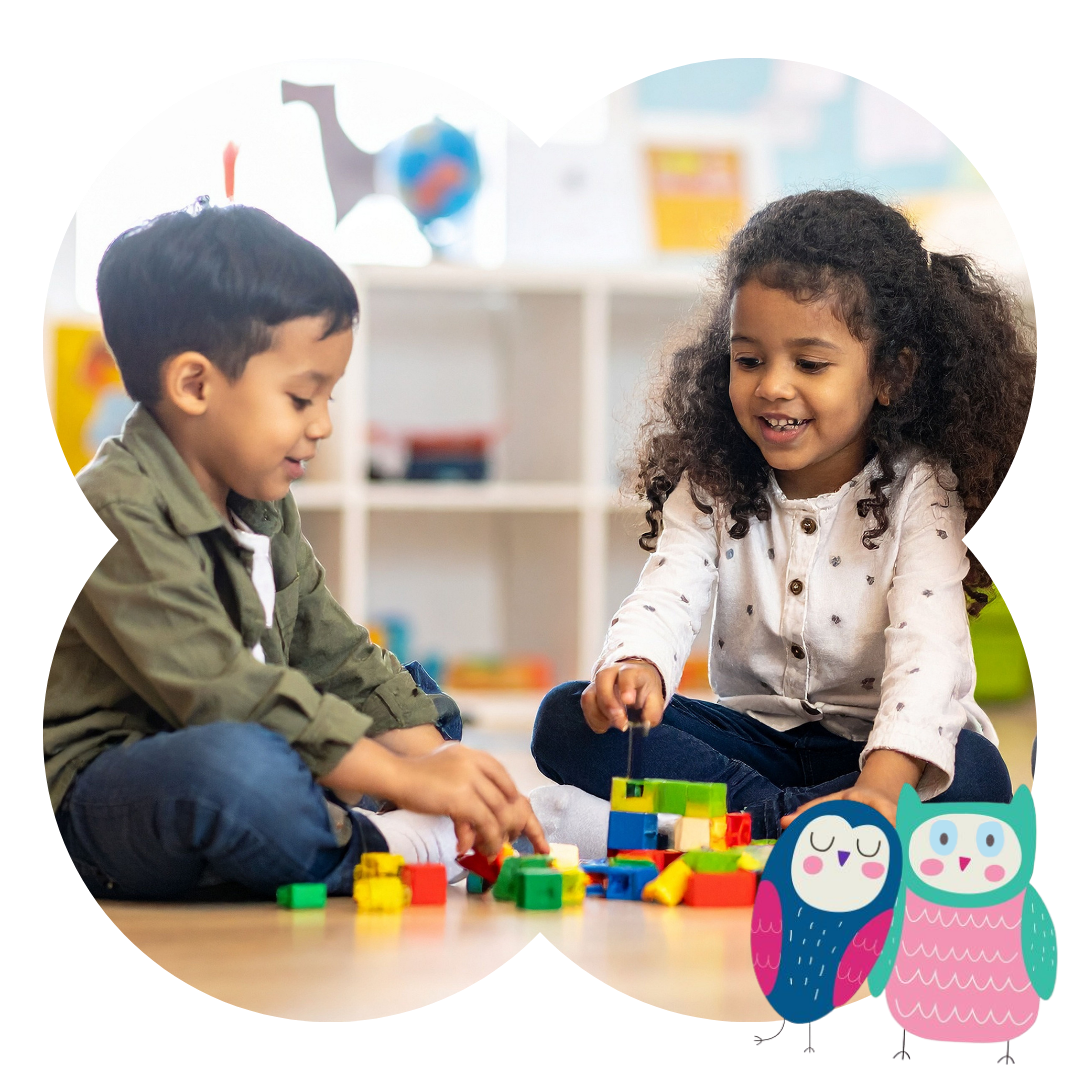
Communication is the foundation for so many parts of the kindergarten experience- and life! Strong communication skills help children express their wants and needs, ask for clarification, engage with peers, and participate more confidently in classroom routines, including understanding and following directions.
This guide isn’t a pass-or-fail test or another item on your parenting checklist. Starting kindergarten is a big enough transition already—for both your child and you (Seriously… weren’t they just babies yesterday?). Instead, think of it as a checklist and conversation starter. If you have questions or concerns about your child’s communication skills, we’re here to help.
Why Communication Skills Matter in Kindergarten
Communication is woven into everything we do, especially when children enter a new school environment.
Before kindergarten, your child may have experienced smaller learning groups, preschool, daycare, homeschool settings, or time primarily with familiar caregivers who understand their words and routines. Kindergarten brings a new level of independence. Children are expected to communicate with teachers, classmates, and other adults throughout the day.
Communication is about so much more than talking. In the classroom environment, communication includes receptive, expressive and social language. This means following directions, asking questions, solving problems with peers, sharing ideas and needs, understanding new vocabulary, and expressing thoughts and feelings.
Here are some communication skills many children are developing before they start kindergarten.
Kindergarten Communication Skills Checklist (By Age 5)
-
Your child should be able to follow directions (2-3 step directions), comprehend simple logic (you wear a jacket because it’s cold), and understand the rules of simple games. They should also understand and use location words like behind, between, under, and next to.
Why it matters: Teachers give directions throughout the school day. Understanding classroom language is essential for children to follow routines, participate in activities, and learn new concepts.
-
By age 5, children often enjoy telling stories—both real and imaginary! Their stories may include details such as who was there and where the story took place. They also begin using longer, more complex sentences and connecting ideas with words like and, because, and then.
Why it matters: Storytelling skills support classroom discussions, reading comprehension, and later writing skills.
-
Many five-year-olds begin using irregular plural words such as feet, men, and children. They also begin using words to talk about time, such as yesterday and tomorrow.
Why it matters: These language skills help children communicate clearly and understand conversations in the classroom. This also plays an important role in writing skills.
-
By age 5, your child’s speech should be understandable to unfamiliar adults during conversation. Most speech sounds are developed by this age, although the voiceless “th” sound (as in thumb) may continue developing until around age 6.
Why it matters: Being understood helps children confidently communicate with teachers and classmates. Producing sounds correctly also is very important for phonoological and spelling skills.
-
Many children entering kindergarten can:
Recognize rhyming words
Blend simple word parts (such as sail + boat = sailboat)
Recognize and name letters
Identify the front of a book and locate the title
Pretend to read and write from left to right
Write their own name
Why it matters: These phonological awareness skills help build a strong foundation for reading development.
-
Your child should be able to answer questions such as:
Who?
What?
Where?
When?
Why?
They should also begin asking questions when they need more information or want to learn more.
Your child should also be able to ask for help, such as “Can you help me?” or “Can you open this”.
Why it matters: Asking and answering questions helps children participate in classroom discussions, understand lessons, and connect with teachers and peers. Additionally, self-advocacy helps children solve problems, communicate their needs, and become more independent at school.
-
Your child should be able to listen while others are talking, wait for their turn, and respond appropriately.
Why it matters: Conversation skills help children build friendships and participate in group learning activities.
-
This may include:
Joining play with other children
Sharing ideas
Solving simple disagreements with words
Working cooperatively during activities
Why it matters: Kindergarten includes many opportunities for learning and playing with others. Strong social communication skills help children build relationships and navigate classroom interactions.
-
By age 5, children should typically be able to chew and swallow a variety of foods without difficulty.
Why it matters: Being able to safely chew and swallow a variety of foods demonstrates age-appropriate oral motor skills and helps children eat confidently and independently. It also allows them to focus less on the mechanics of eating and more on enjoying conversations, building friendships, and participating in the social aspects of snack and lunchtime!
Final Thoughts
Communication skills are the foundation for success in the classroom. They help children participate in daily routines, build friendships, ask questions, and engage confidently in learning.
It’s important to remember that children develop at different rates and children enter kindergarten with a wide range of strengths and experiences. At the same time, if you notice consistent challenges with communication, early support can make classroom participation easier and help children feel more confident as they begin school.
If you have concerns about your child’s speech, language, or literacy development, a speech-language evaluation can provide answers and individualized recommendations to support a successful start to school.
Reach out to schedule a free phone consultation or speech-language evaluation. We’re here to support your family every step of the way!