
Teaching Kids Colors: Play-Based Strategies from SLPs
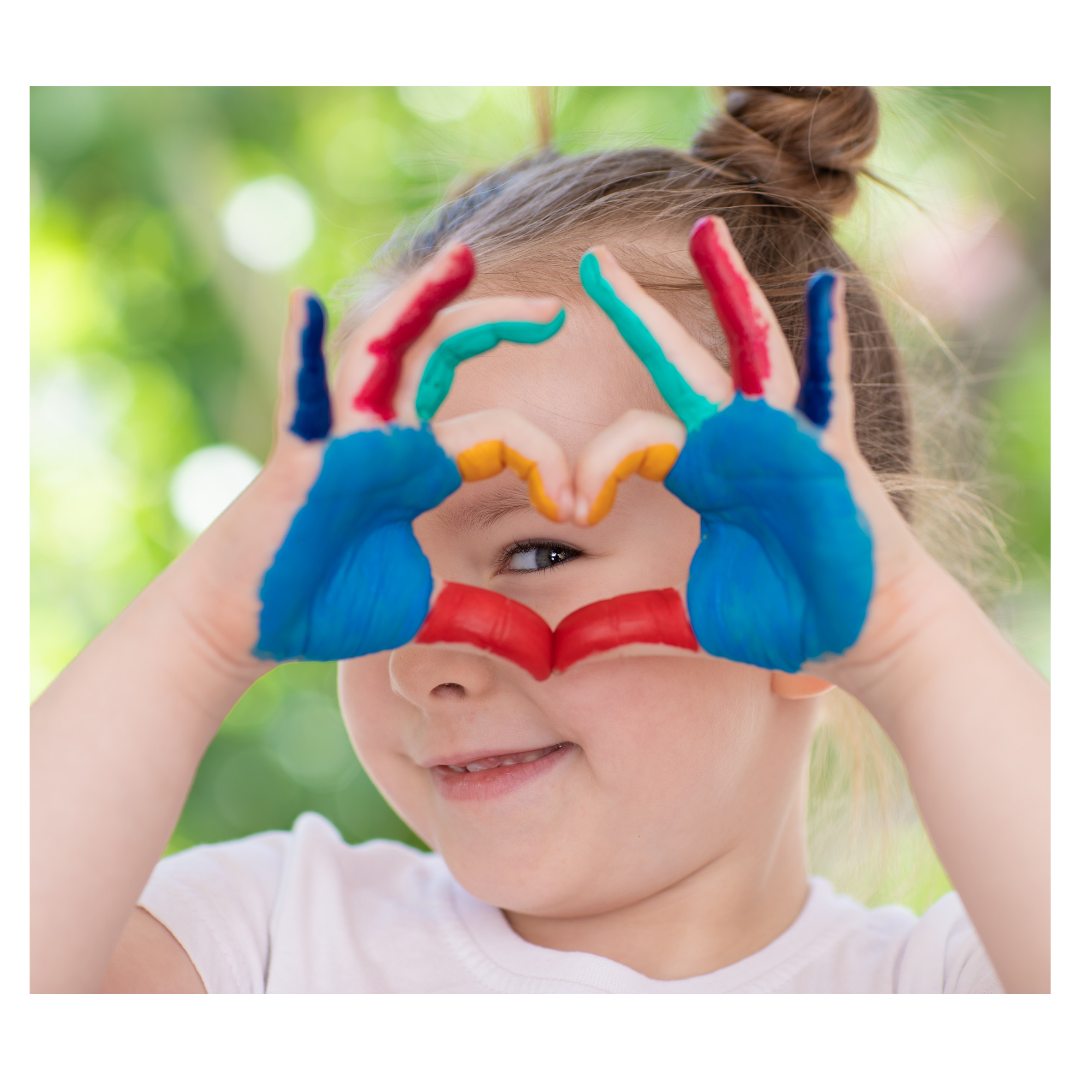
Colors are magical in childhood. 🌈 From bright red fire trucks to yellow bananas, learning colors is an exciting developmental milestone. While it may look like just learning names for things, mastering colors supports cognitive growth and early academic development in powerful ways.
When children learn colors, they are learning to:
Categorize information
Visually discriminate details
Recall short- and long-term information
Expand descriptive language (saying “blue car” instead of just “car”)
Strengthen early math and pre-reading skills by recognizing patterns, sorting, learning concepts, and identifying differences.
It might seem like a lot for your child to learn, but the good news is that these skills grow naturally through everyday activities. Think: playtime, meals, and simple routines!
Power Words First!
Before we jump into teaching colors, as speech-language pathologists we recommend focusing on power words, like “help,” “more,” “stop”, or “all done.” These high-impact words give children the ability to effectively communicate their needs, wants, and feelings. Be sure to check out some of our blog posts focusing on early language here and here!
If your child is excited about colors, that’s fantastic- we always encourage following their interests! At the same time, helping them communicate their needs and wants comes first. When children can ask for something or tell you when they’re finished, it not only reduces frustration, but also helps them connect with others and feel confident in all areas of learning.
Milestones for Learning Colors
There are two main components to mastering colors, recognizing colors (receptive language) and labeling colors (expressive language). For most children, receptive skills develop before expressive labeling.
Check out the milestones for learning colors below:
-
Children begin noticing color differences.
-
Children begin matching same-colored objects and start understanding simple color words receptively.
-
Children consistently match colors, understand 1–3 colors receptively, and begin labeling basic colors.
-
Children label several primary colors, follow color-based directions, and use color words spontaneously in running conversation.
-
Children identify and label most common colors correctly, understand variations such as light and dark, and apply color knowledge in classroom tasks.
Playful Ways to Teach Colors 🎨
Learning can happen anywhere! Try these real-life activities to help your child learn colors through play:
Go on a color scavenger hunt
We love a good scavenger hunt! It gets kids up and moving while focusing on one simple goal: finding a specific color. Gather items from around your house that are all one color and hide them for your child to find. Or take the fun outside- grab a bucket or bag and search for green leaves, red flowers, or anything blue you can spot. No prep required!
Sort everyday items by color
Turn daily routines into learning opportunities. While folding laundry, make piles of whites, blues, or reds. When unloading groceries, group foods by color. During toy cleanup, have your child sort blocks or cars into color piles before putting them away. Simple, practical, and effective!
Have a color-themed meal or snack
Choose one color and build a snack or meal around it. How many red foods can your child think of? Strawberries, tomatoes, apples? Try eating the rainbow throughout the week!
Make the grocery store a color adventure
There are colors everywhere! Ask your child to find red fruits, green vegetables, or yellow packages. Compare shades, like dark red vs. light red, or explore the variety of colors within one type of food, like the many kinds of apples. It’s a natural way to build vocabulary and observation skills.
Get creative with art projects
So much crafting, so little time! Get out paint, crayons, dot markers, stickers, or pom-poms and start creating. Make a craft using only one color, design colorful patterns, or challenge your child to create a rainbow masterpiece. With this hands-on activity, the possibilities are truly endless!
Play “I Spy”
This on-the-go game is perfect for practicing colors anywhere. Start simple: “I spy something red.” As your child gains color skills, increase the challenge: “I spy something red and green.” or “I spy something with blue stripes”. Play at the dinner table, during errands, or in the car. I Spy is an easy way to encourage color learning throughout the day.
And of course… books, books, and more books!
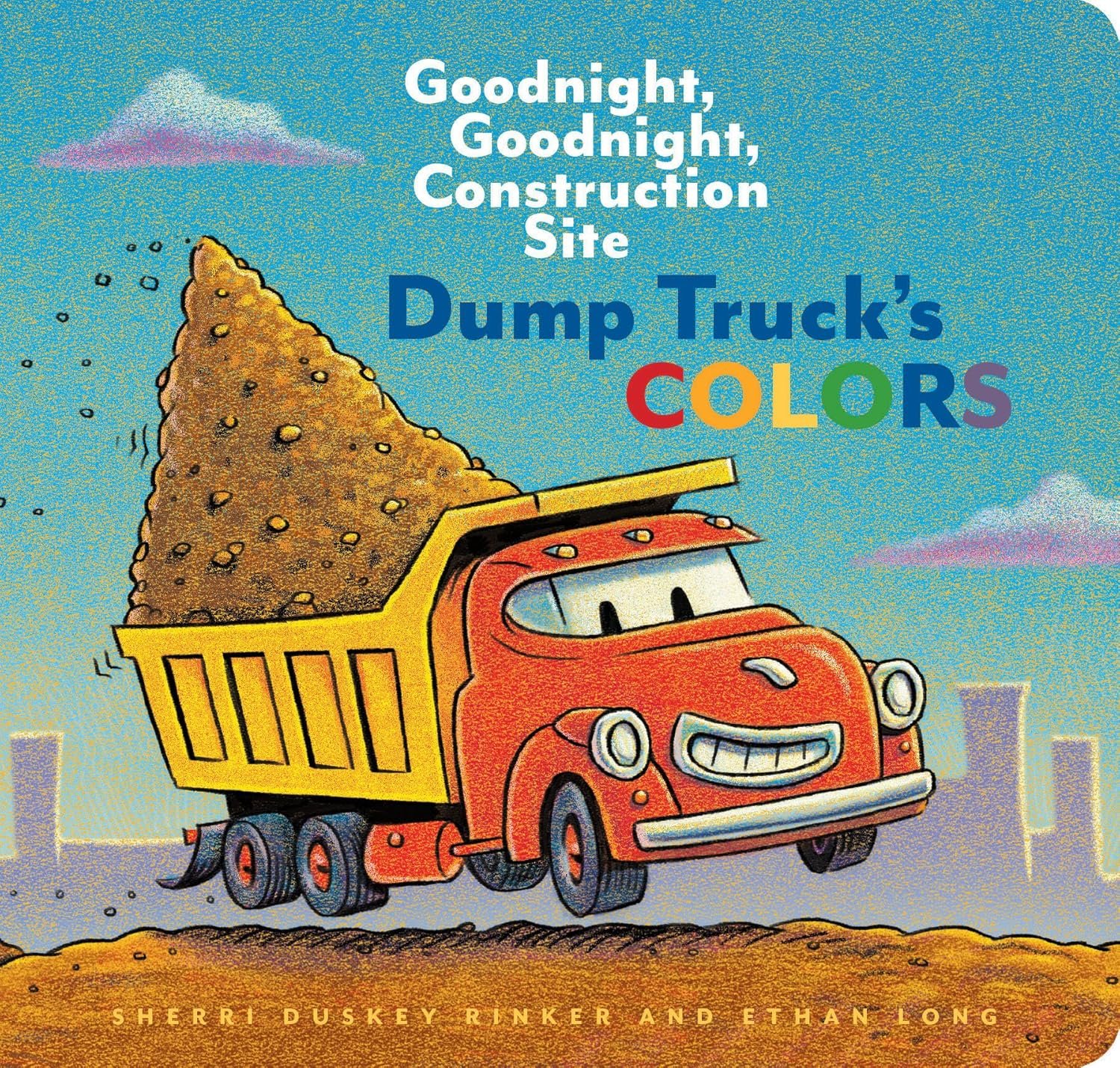
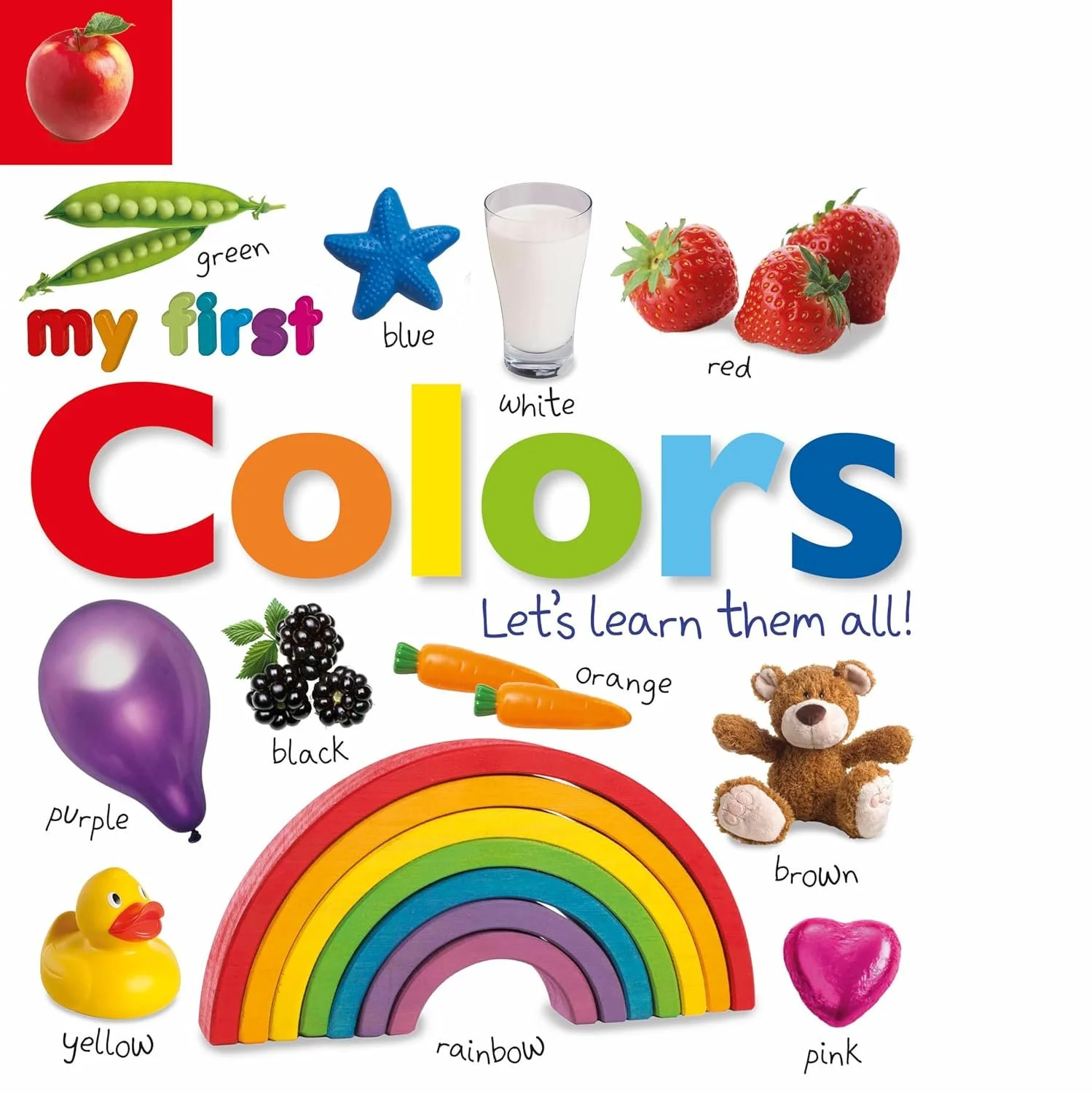
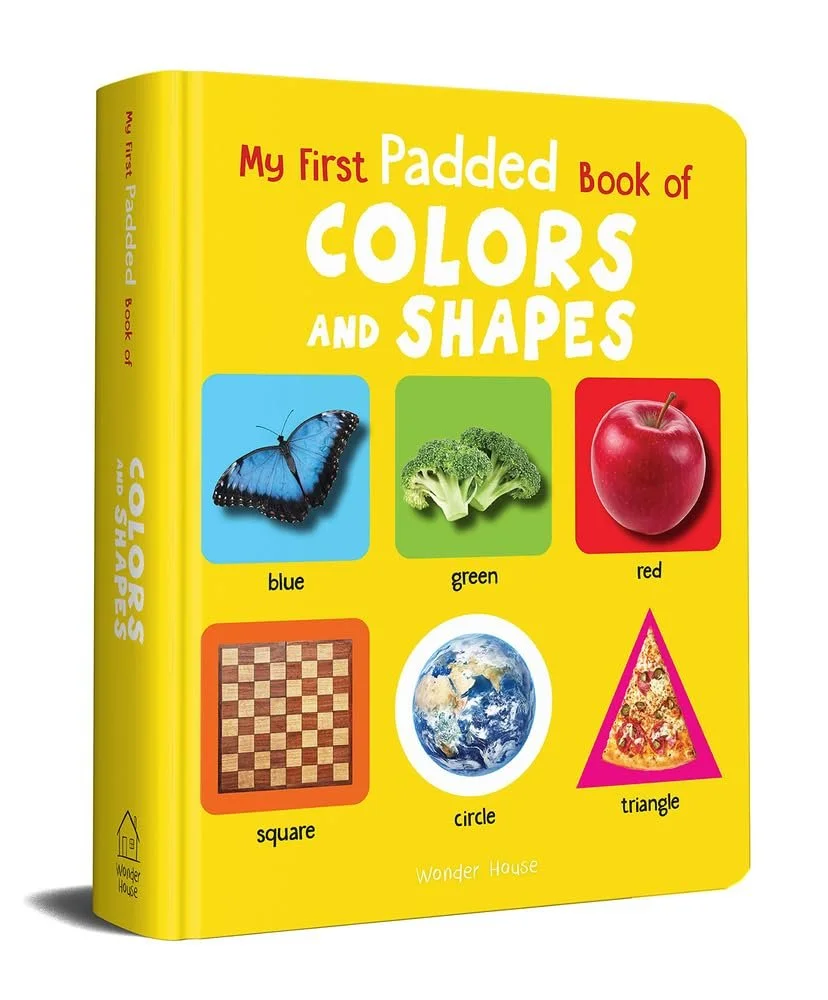
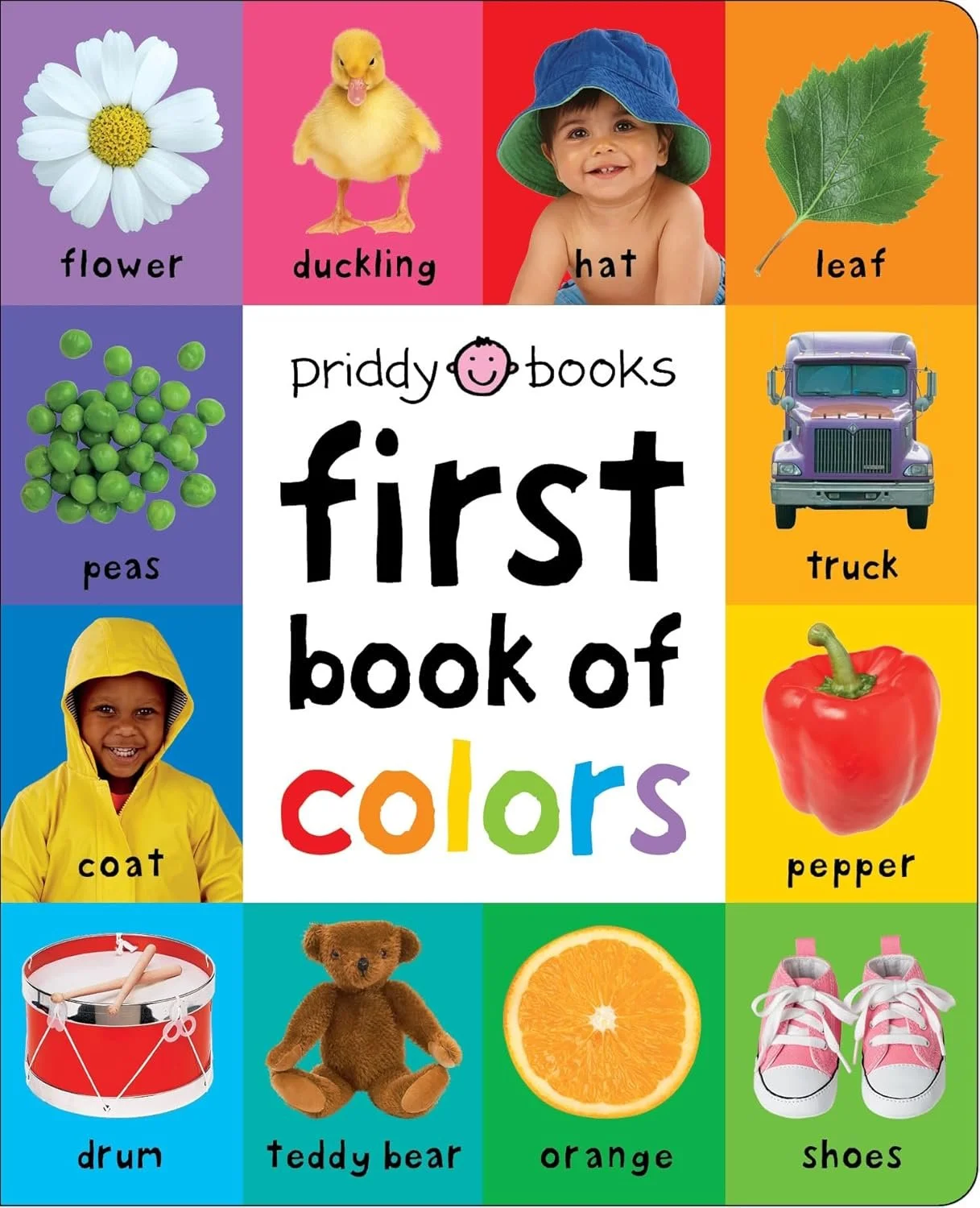
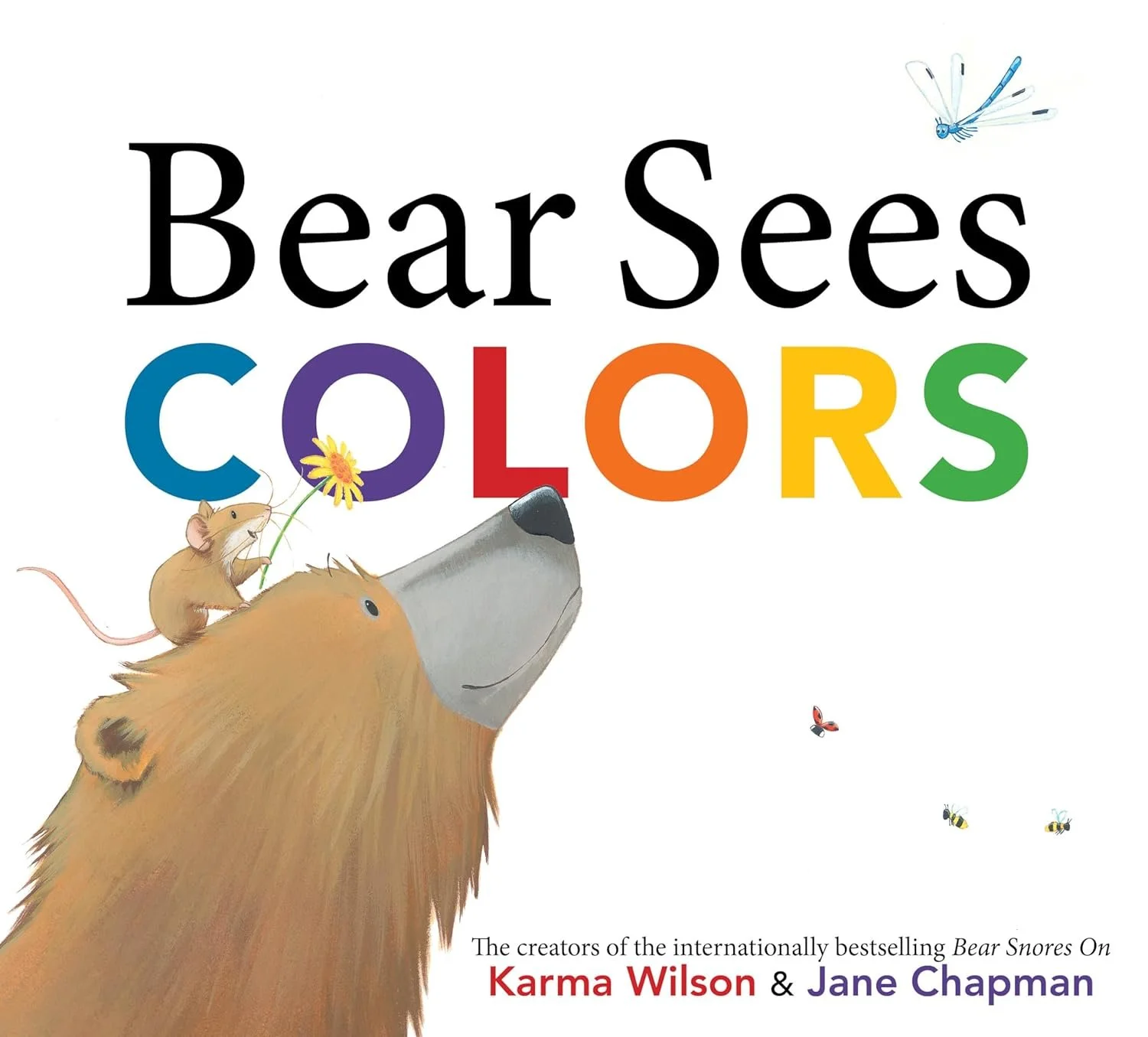
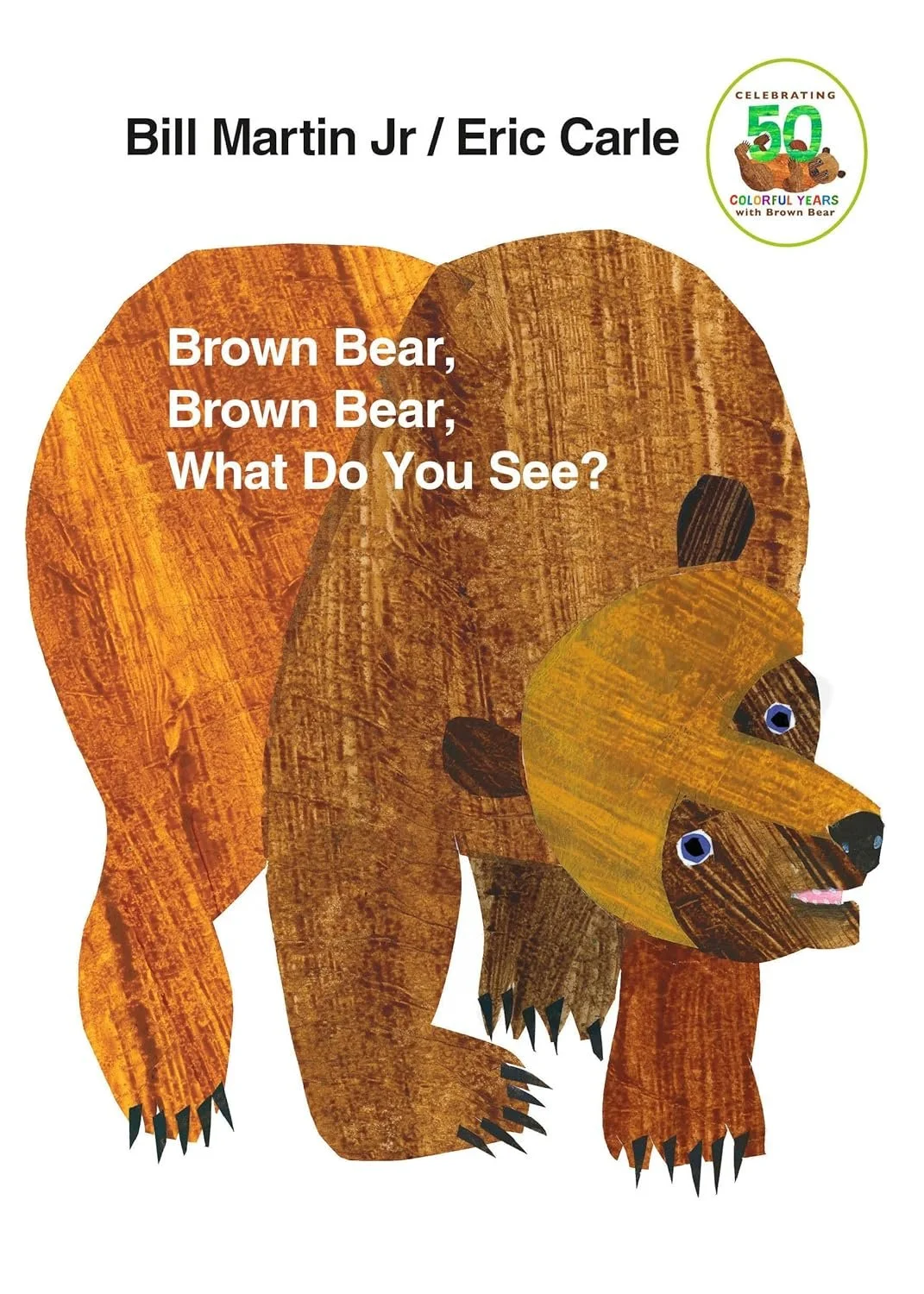
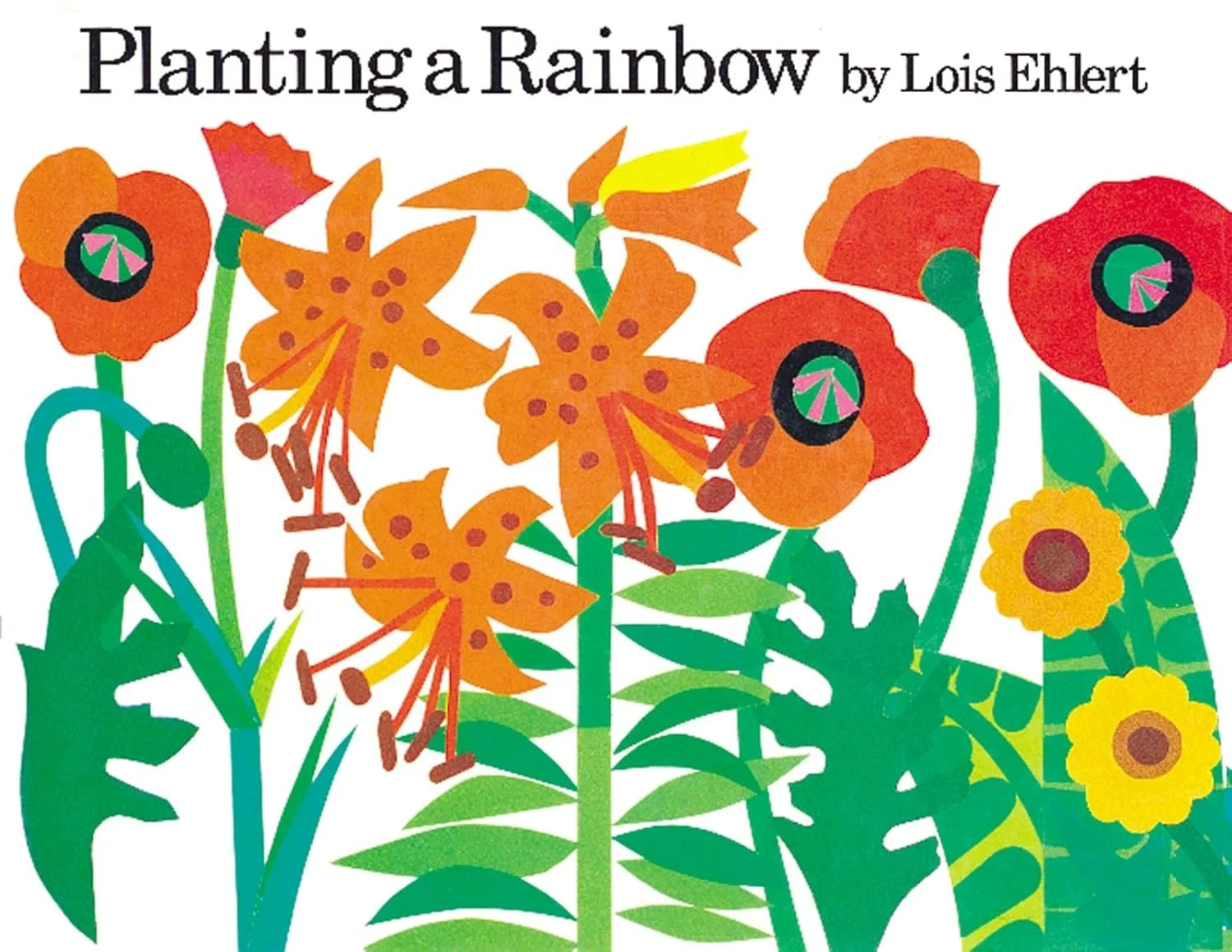
We can’t forget books! Books are naturally repetitive and familiar, making them a powerful learning tool. Children thrive on repetition and hearing the same color words (while seeing the same color pictures!) again and again helps strengthen their understanding.
Check out some of our favorite color-themed books below:

Pro Tips!
One of the easiest and most effective strategies is to emphasize the color at the end of your sentence. Research suggests that children may learn color words more easily when the color comes last. For example, saying, “The apple is red,” instead of “the red apple.” This subtle change draws attention to the color word and strengthens learning.
As you begin incorporating colors into play, try to avoid turning it into a quiz. It’s easy to start asking lots of questions, but instead, focus on modeling, interaction, and shared enjoyment. When learning feels playful and connected, children are more likely to engage!
🚩 When to Consider Seeking Support
Development varies from child to child. However, we recommend consulting a professional if:
By age 3, your child is not matching colors
By age 4, your child cannot identify or label any colors
Your child struggles significantly with following directions, matching, or basic receptive language
Early support can make a meaningful difference!
Searching for Speech Therapy Near Me?
Contact us today for a free child development consultation, we’d love to hear from you! Our professionals will determine if an evaluation is recommended and provide answers to all your questions. We’re committed to guiding your child’s growth and success.
This blog post contains affiliate links, which means we may earn a commission from purchases made through these links at no additional cost to you.