
Toddler Restaurant Survival Kit (That Also Encourages Speech & Language Skills!)

The weather is warming up and it feels like we’re all finally coming out of hibernation! This time of year naturally brings more opportunities for outdoor dining, family outings, and exploring new restaurants together. While that can feel exciting, it can also feel a little overwhelming when you have young children. That’s why we always encourage families to practice going out to restaurants with their littles—don’t avoid it!
We know it can be hard. Dining out with toddlers or young kids often comes with unpredictability, short attention spans, and moments of stress. But like any skill, it gets easier with repetition. The more your child is exposed to restaurant environments, the more familiar and manageable it becomes for everyone. Over time, they learn the expectations and routines.
It can be tempting to rely on screens because they’re easy and effective. But when possible, we recommend using other tools that encourage interaction and communication. These not only help pass the time but also support your child’s development and connection with you.
Here are some simple alternatives to bring along:
Art supplies
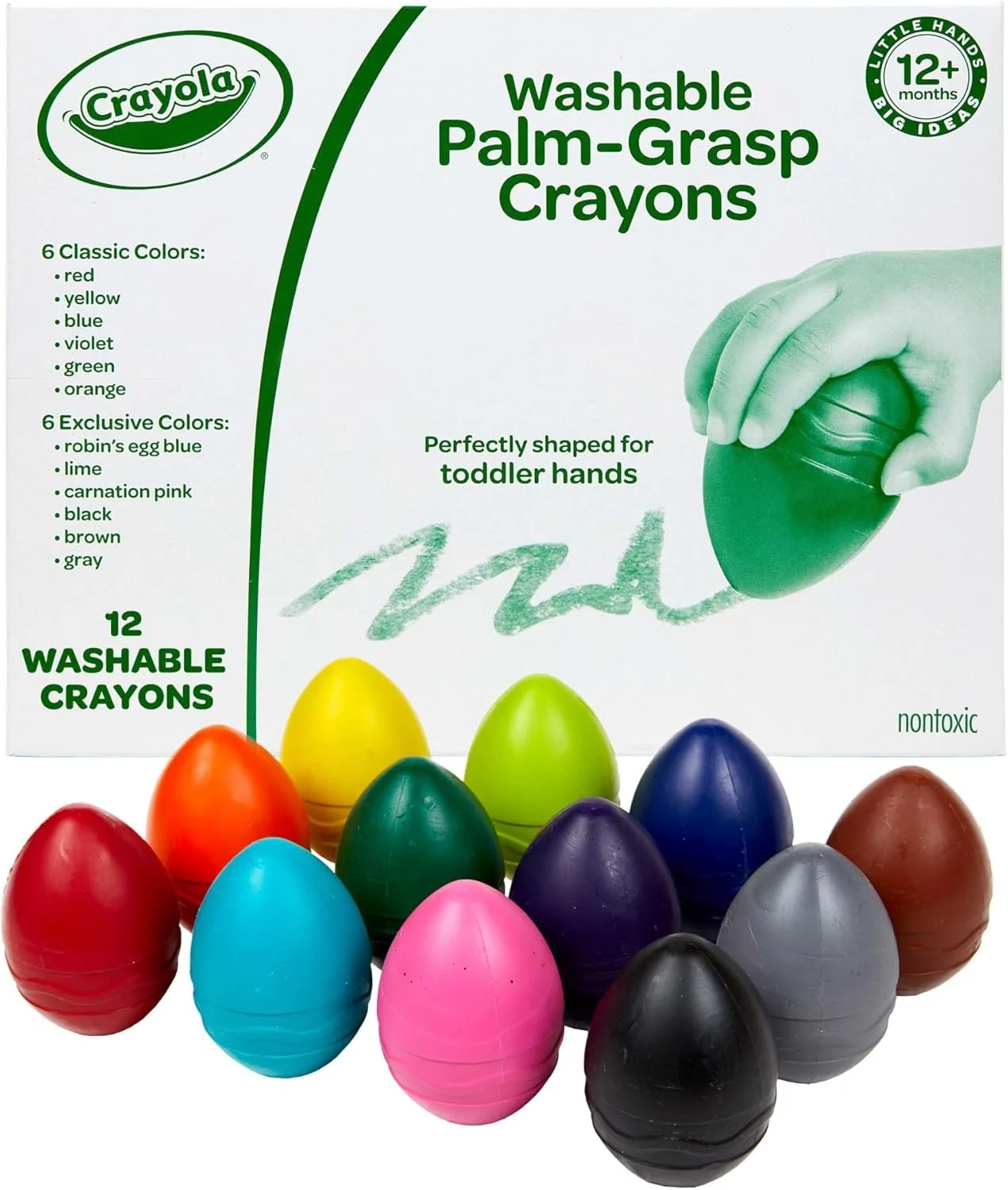
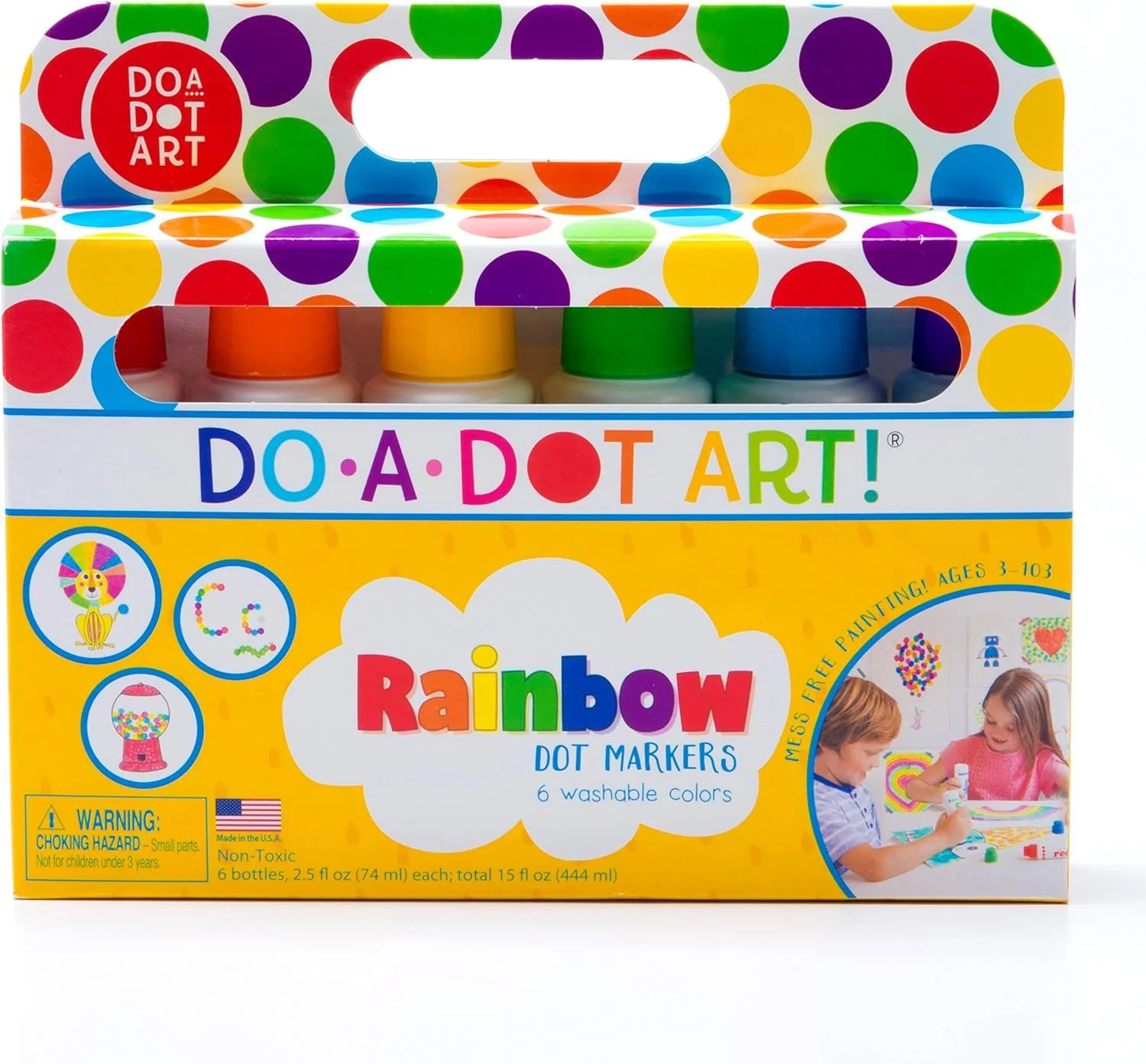
A small pouch of crayons, pipe cleaners, colored tape, or any other art supplies can go a long way. You can turn this into an interactive activity by giving fun prompts like, “Can you draw a BIG circle?” or “Can you draw a red fruit?” Take turns guessing each other’s drawings or have your child practice following directions as you guide them. You can also build a story together based on what you create. These activities keep your child engaged while you wait for your food and help strengthen listening skills, creativity, and back-and-forth interaction!


Board books
Books are always a win! Board books are especially ideal for restaurants because they’re durable, easy to handle, and typically short with simple language—perfect for a busy, sometimes overstimulating environment. You can read together, point to pictures, label objects, or ask simple questions (but not too many!). And the best part? If they get a little messy from sticky hands, they’re easy to wipe clean.

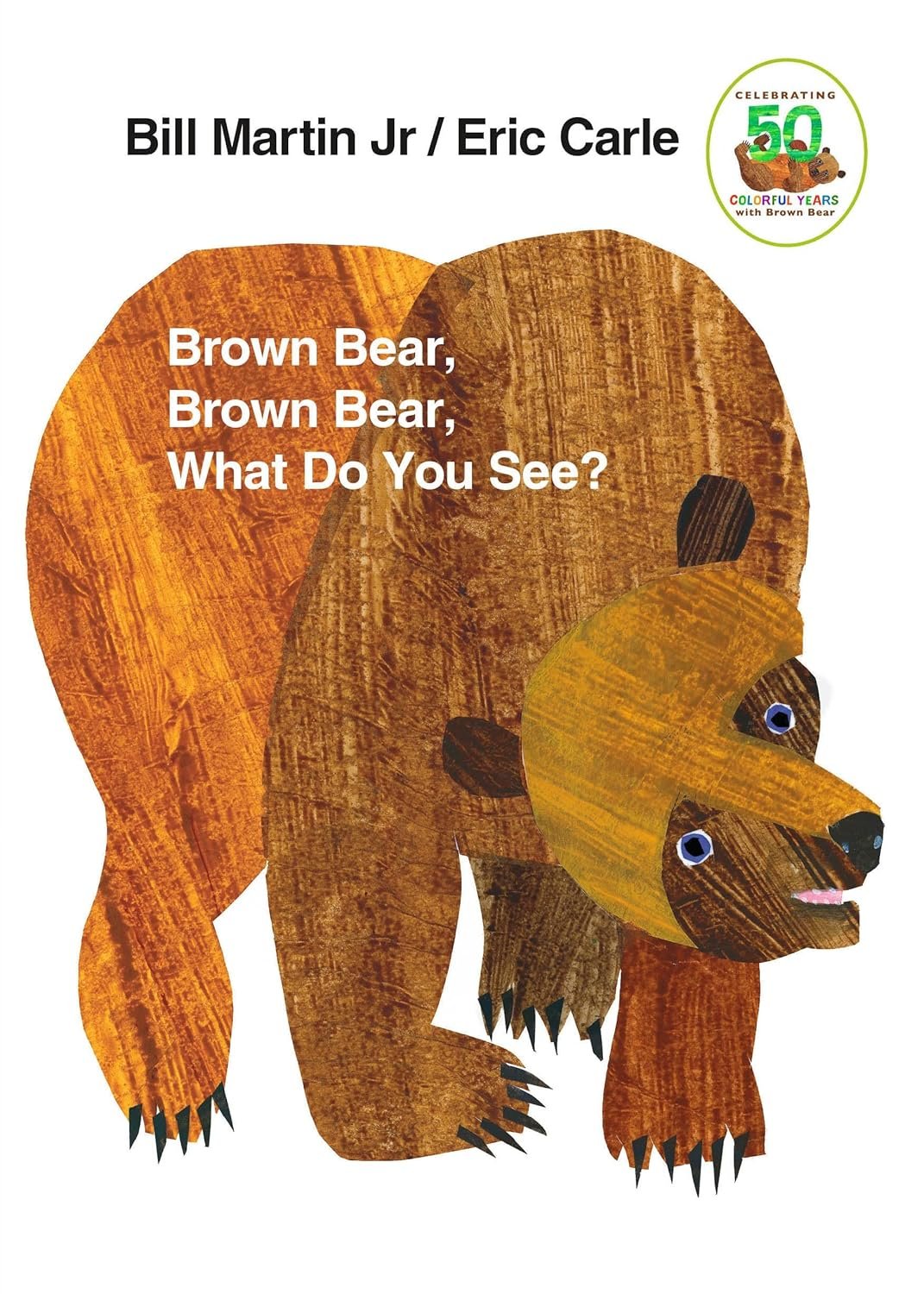
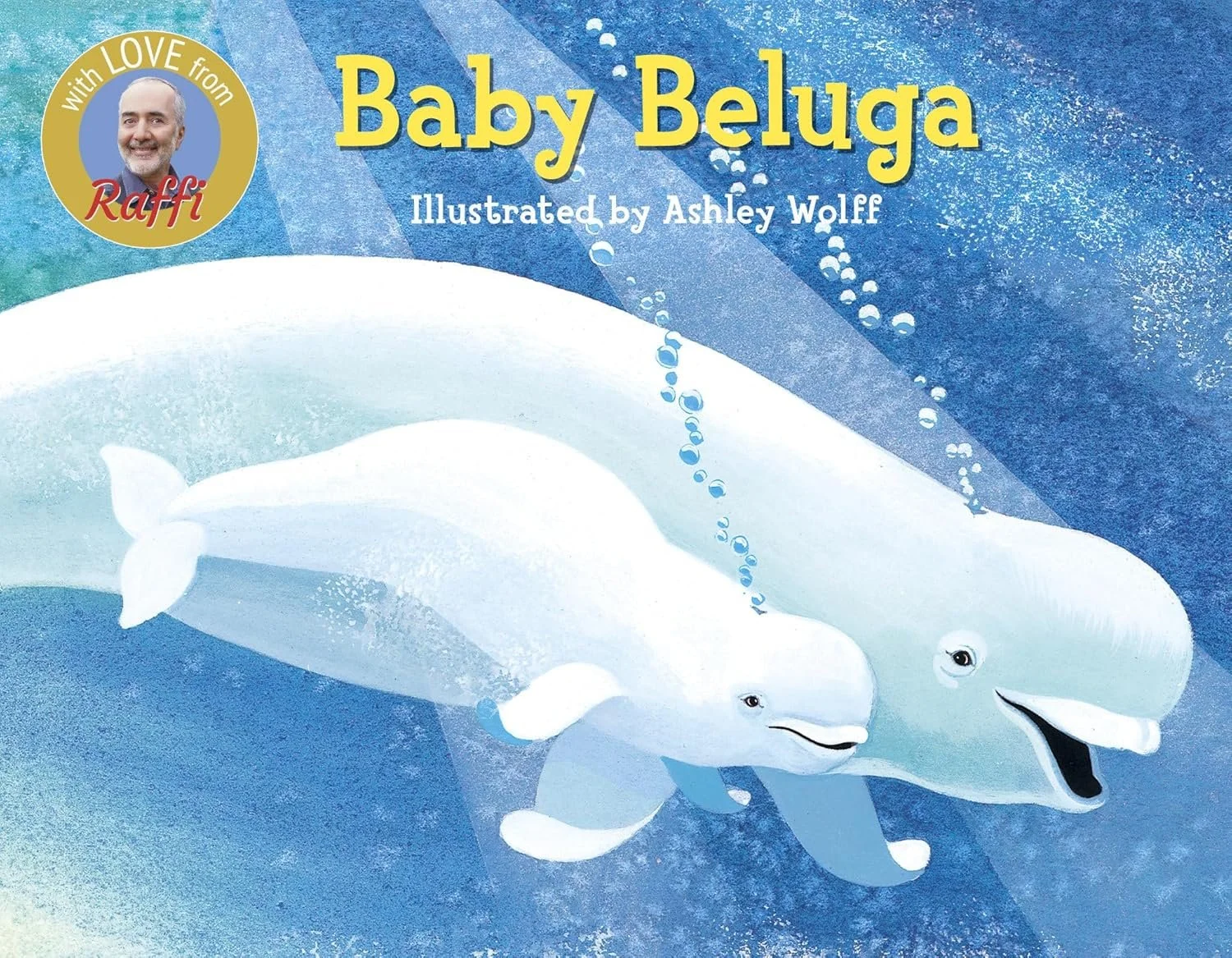

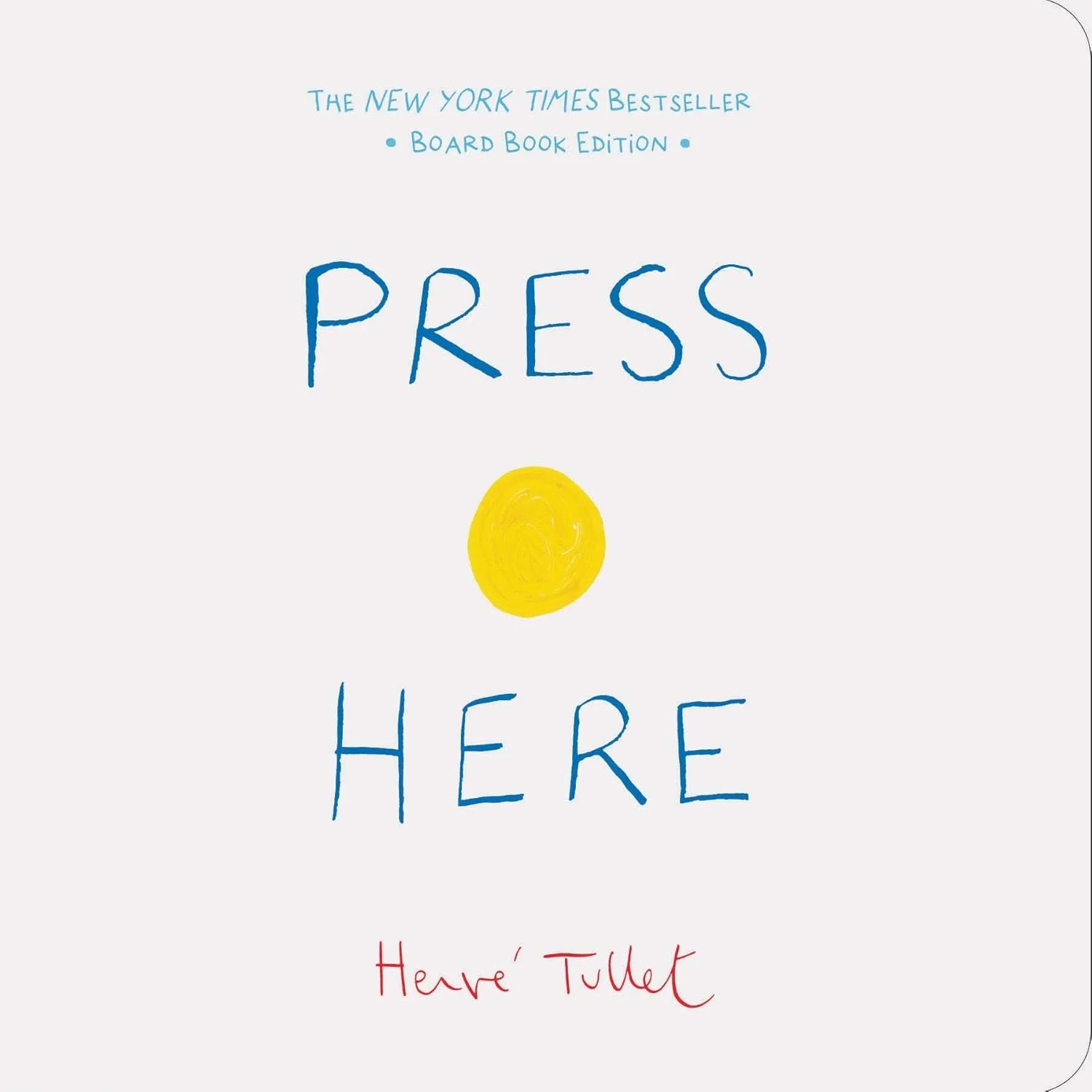

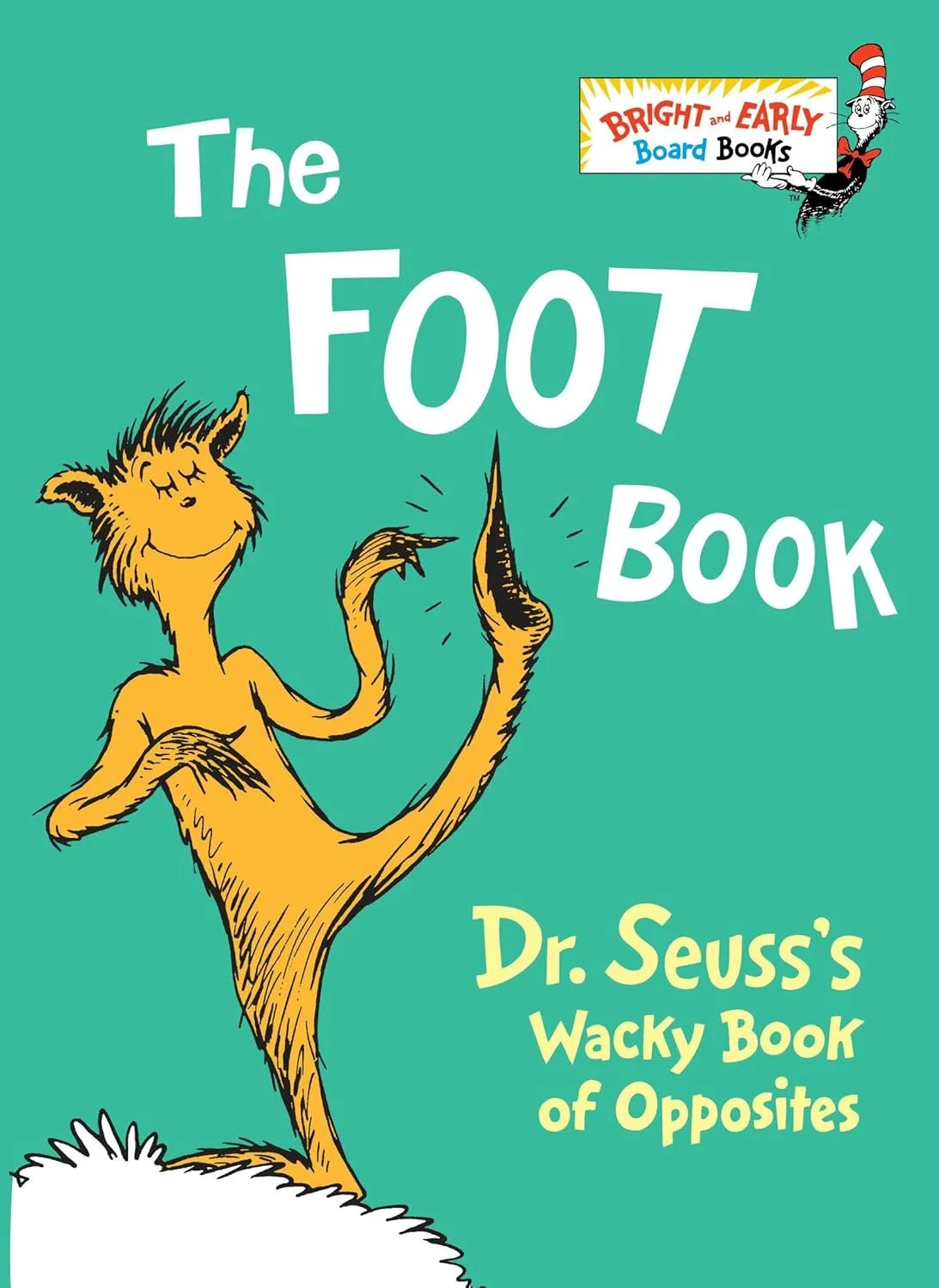
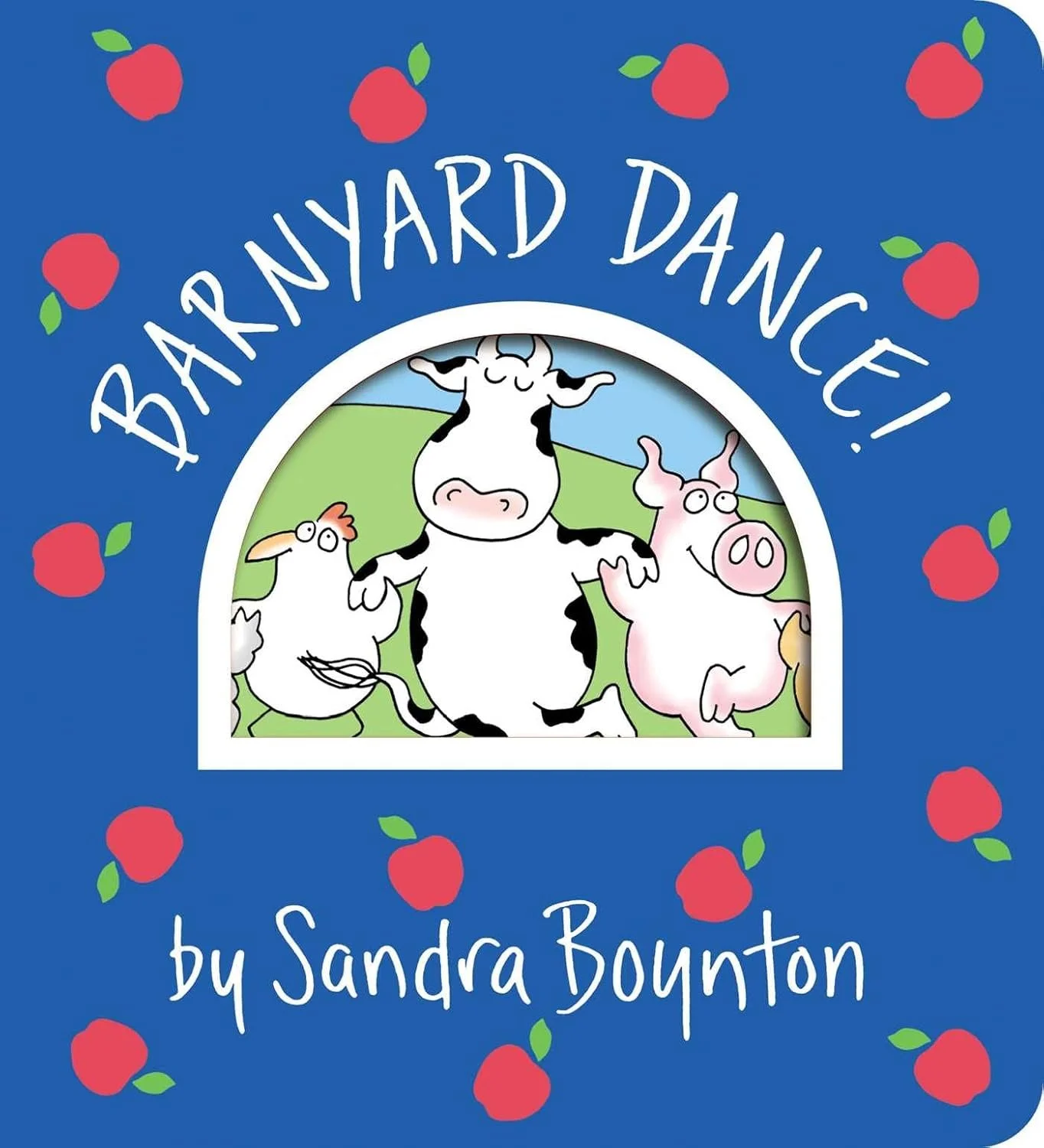
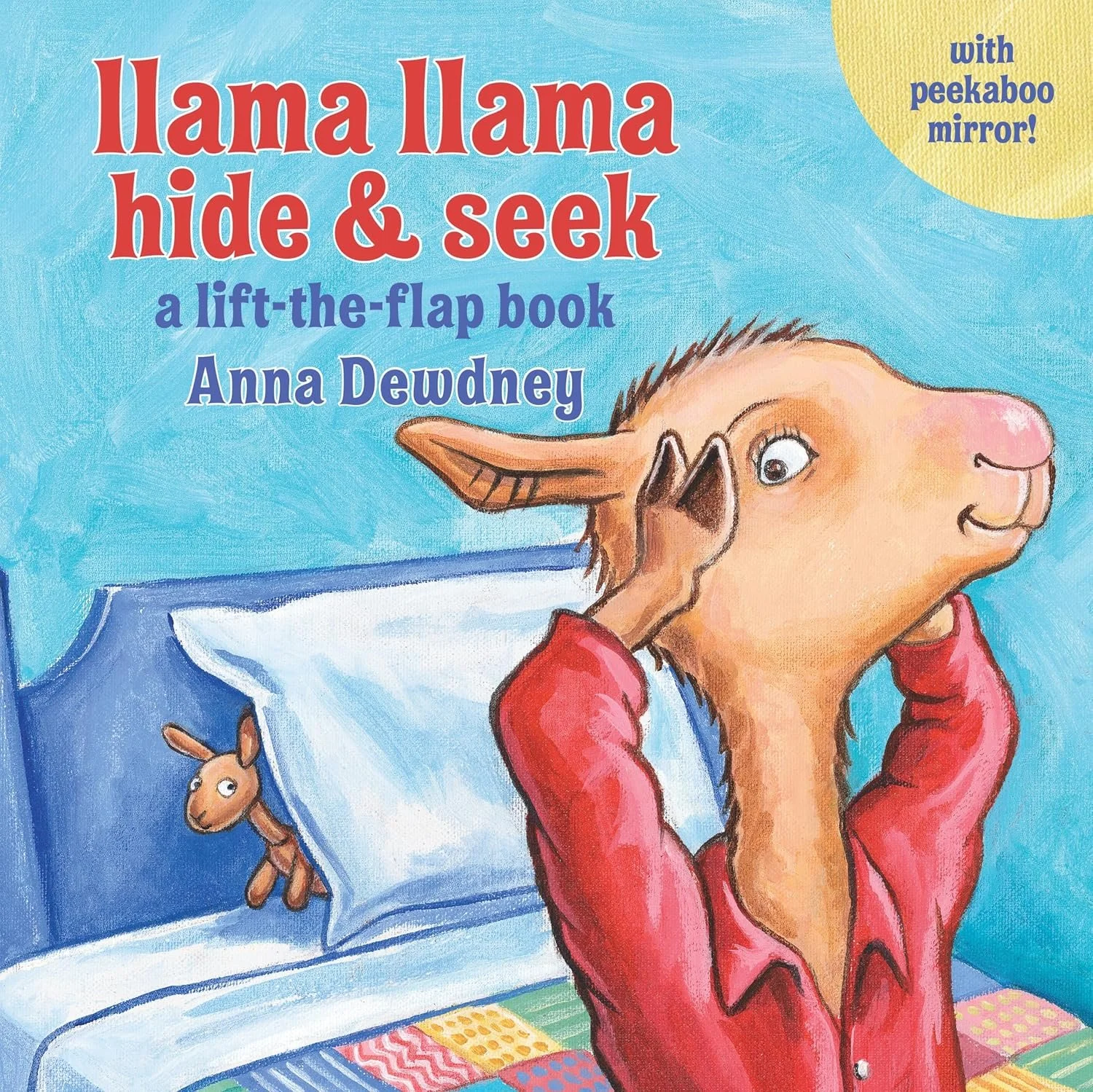
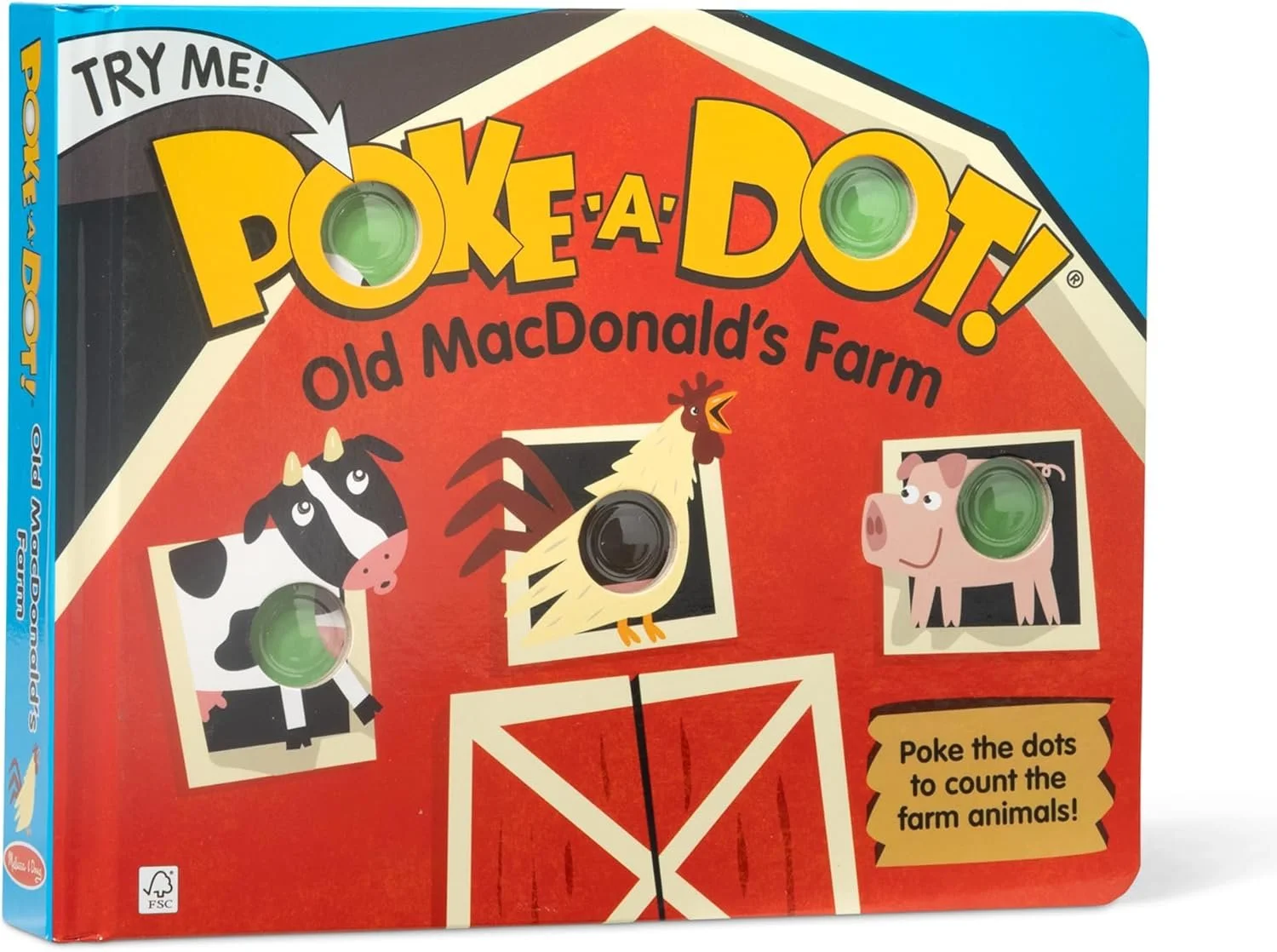
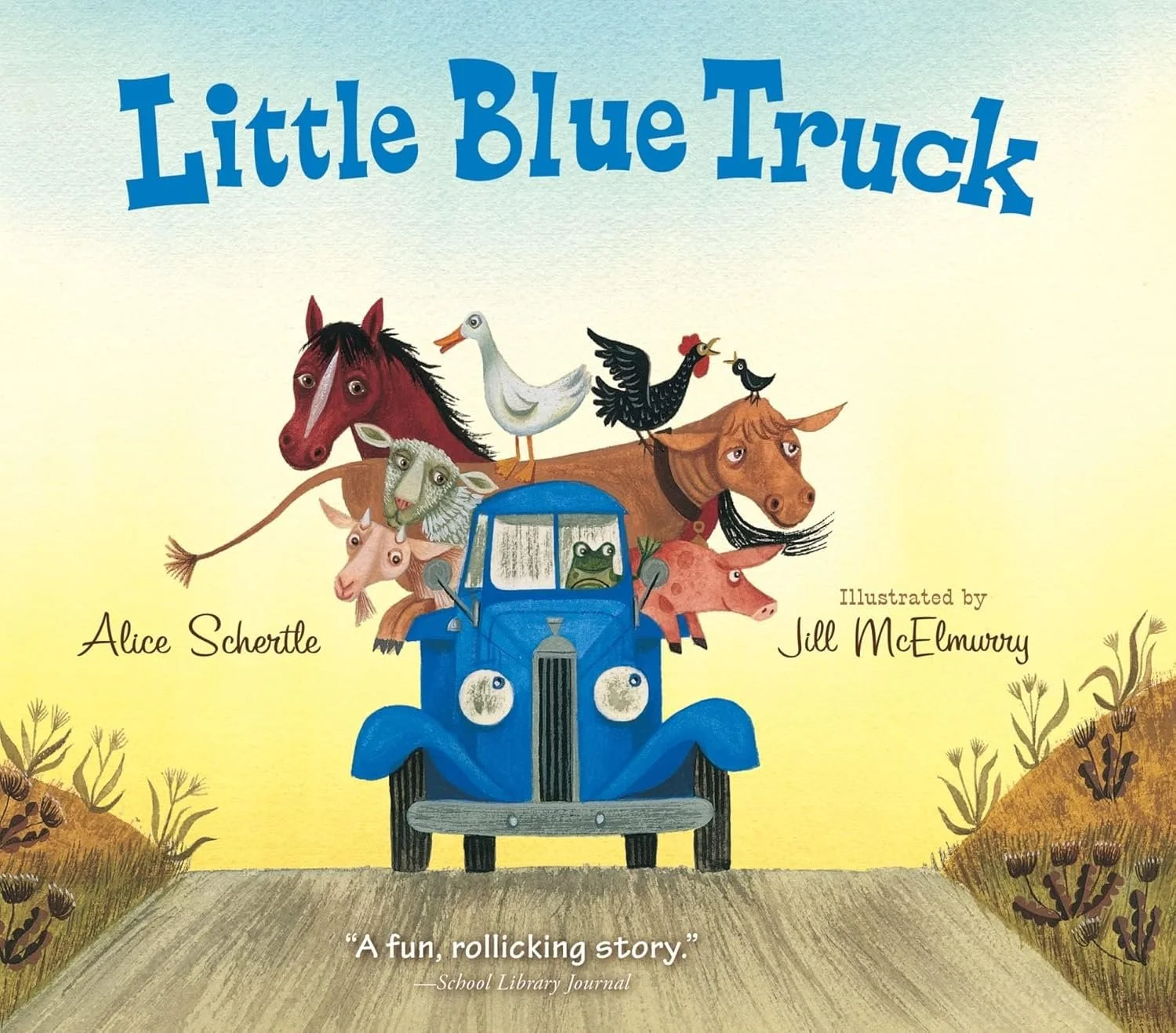
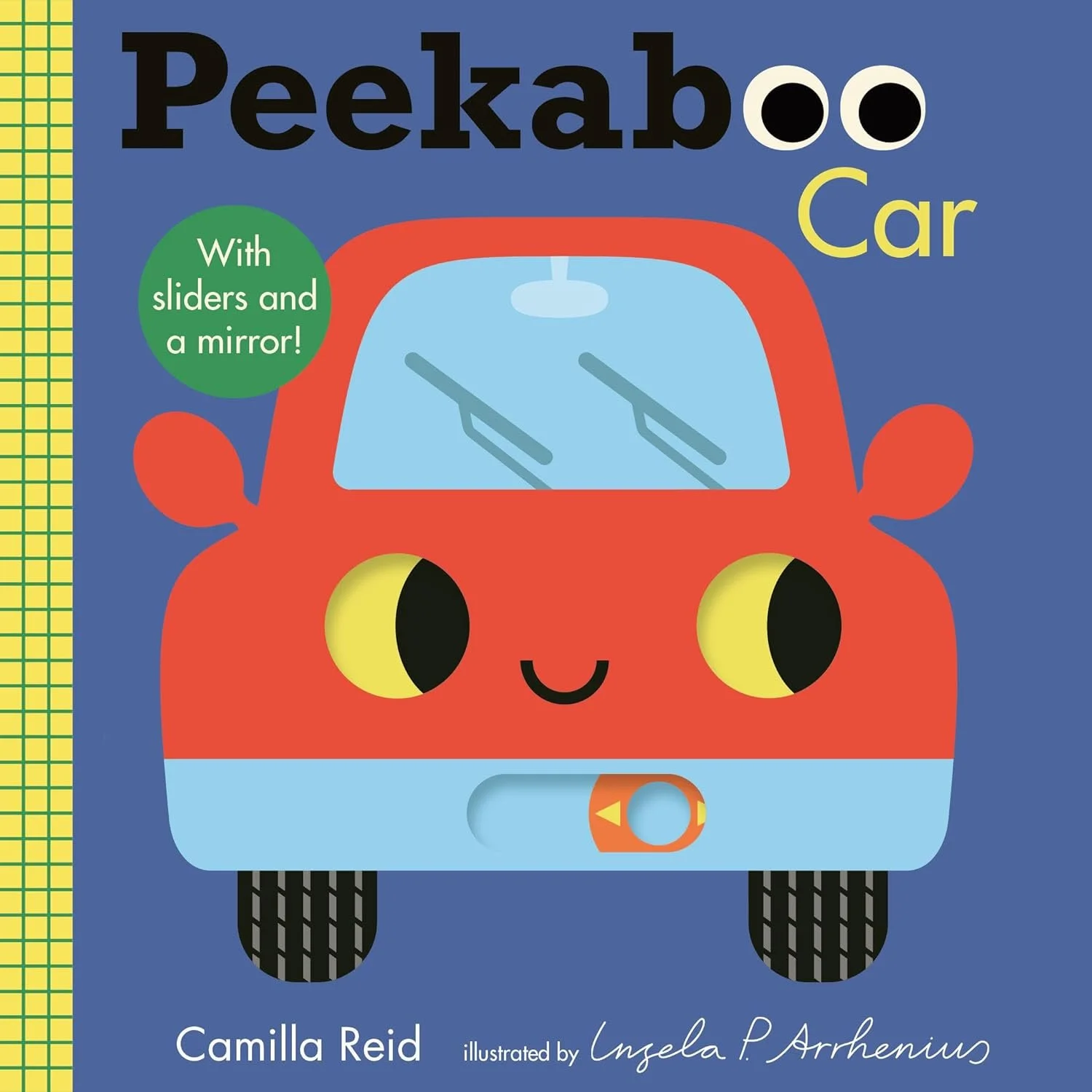
Find tips on selecting the right books, plus a list of more of our favorite toddler reads here.
Snacks!
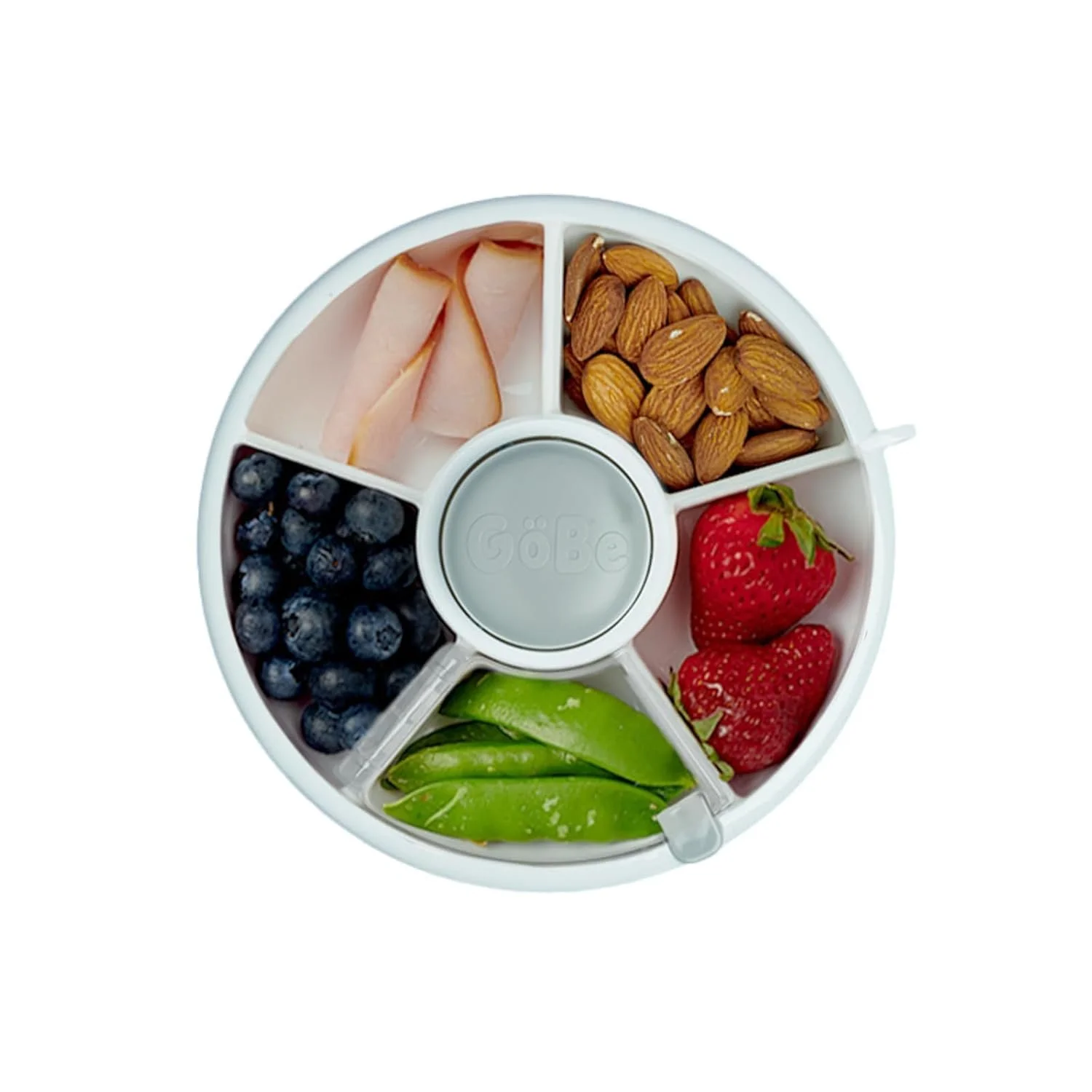
Even if your meal is on the way, a small snack can make a big difference in keeping your child patient while waiting. Use this as an opportunity to build communication skills: offer choices (“Do you want crackers or carrots?”), encourage requesting (“More ___”), or practice asking for help. Choosing snacks like veggies or other nutritious options can also help take the edge off hunger before the main meal arrives. We love this snack spinner to offer choices and have some fun while waiting for the main event!
Stickers
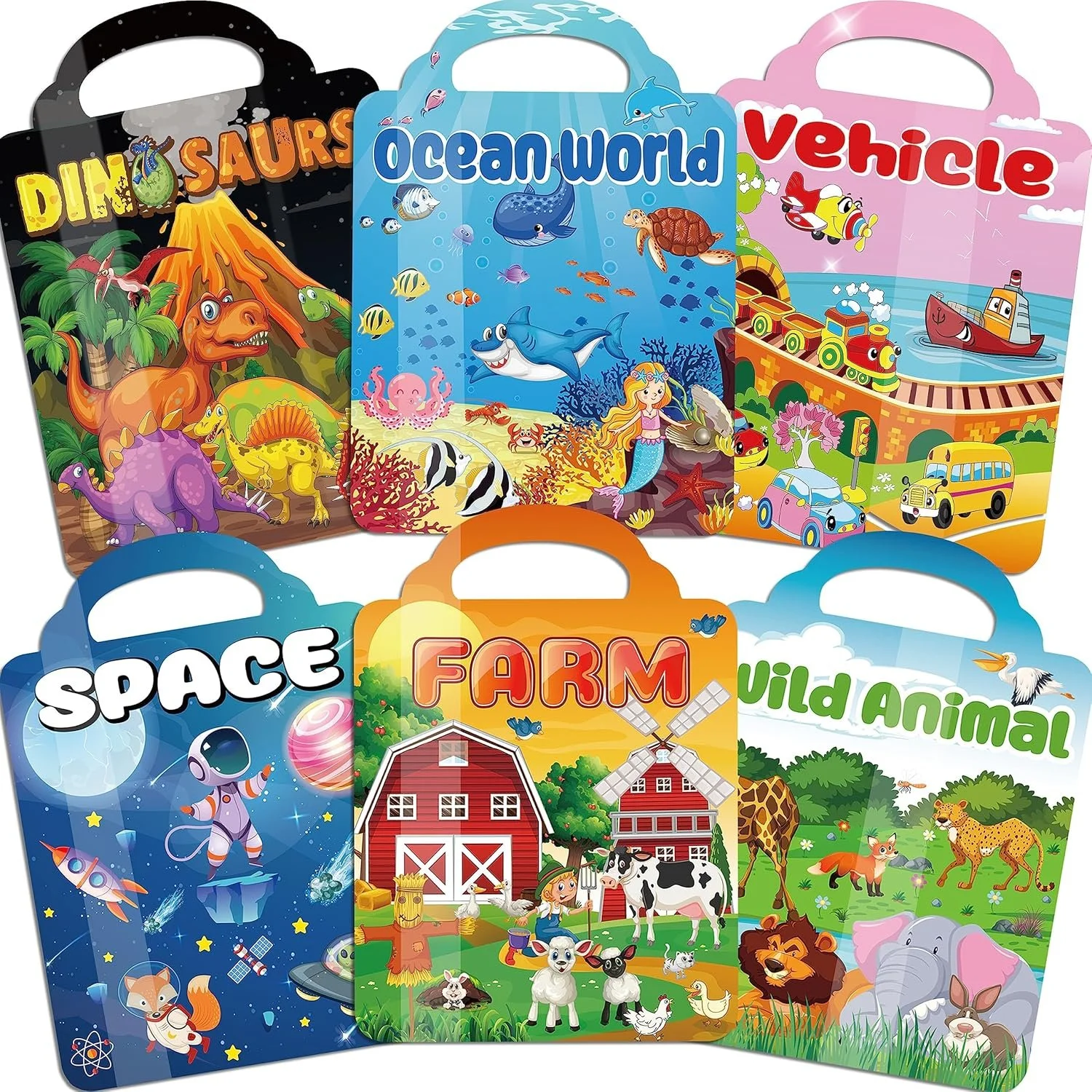
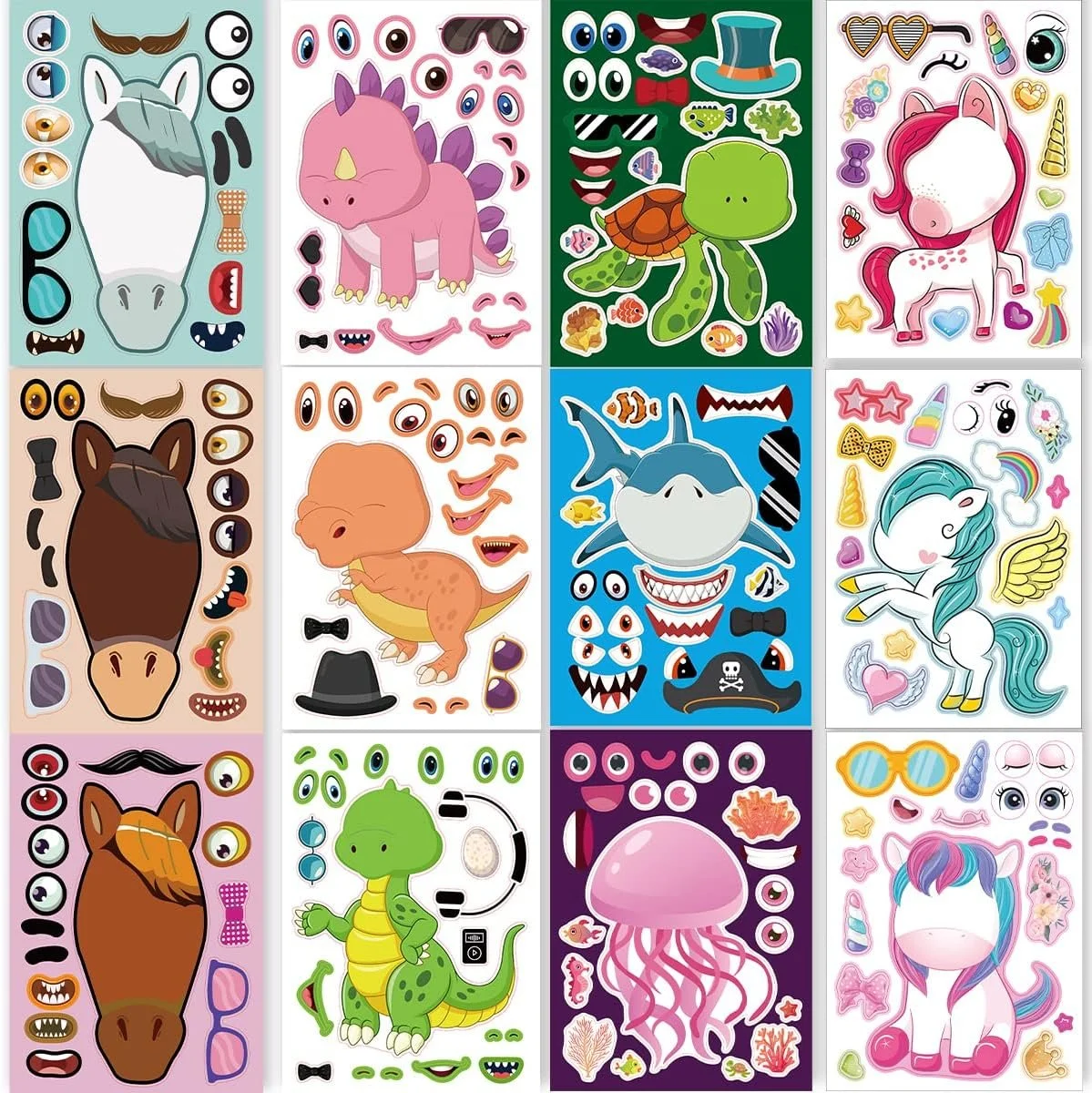
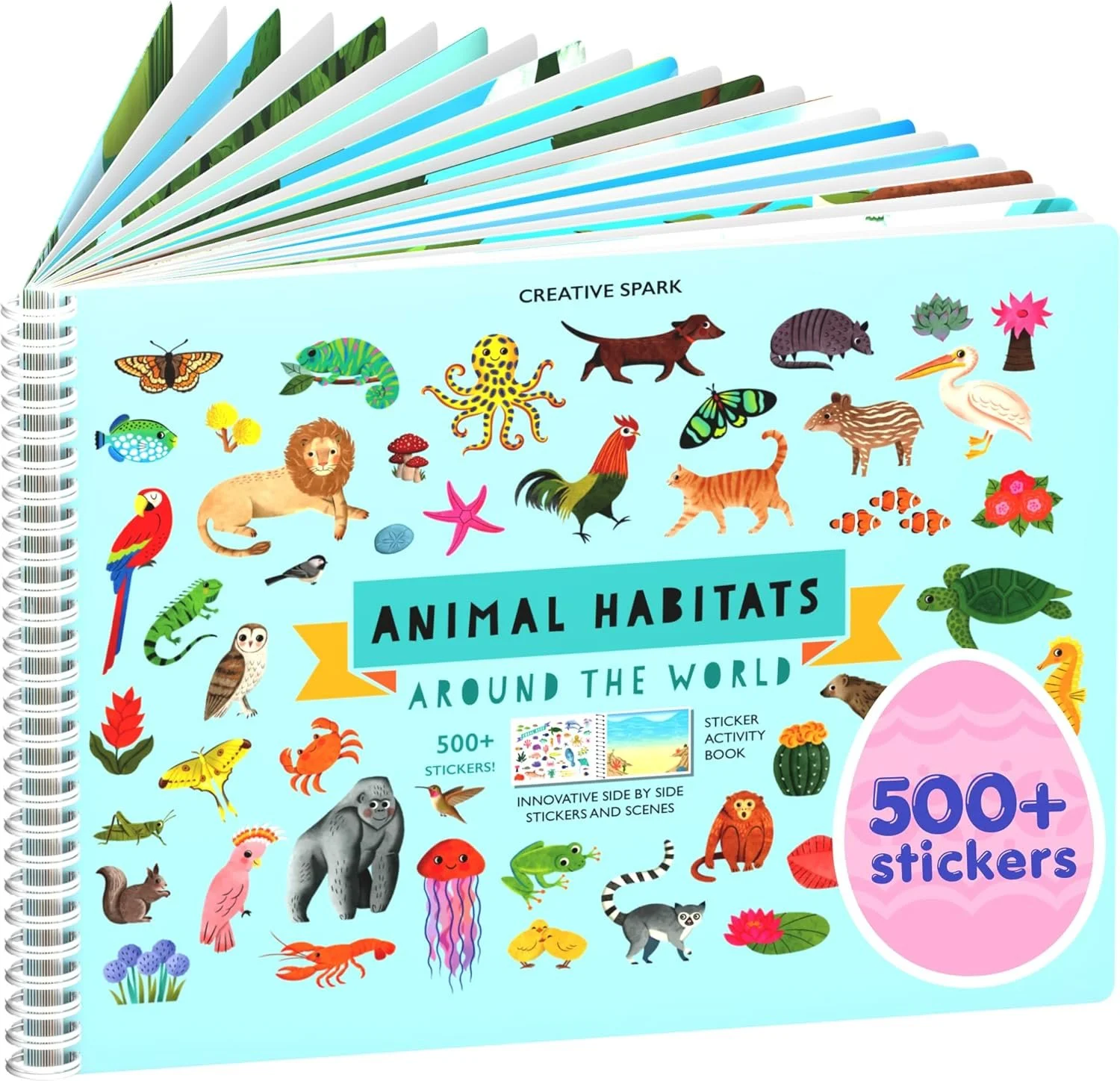
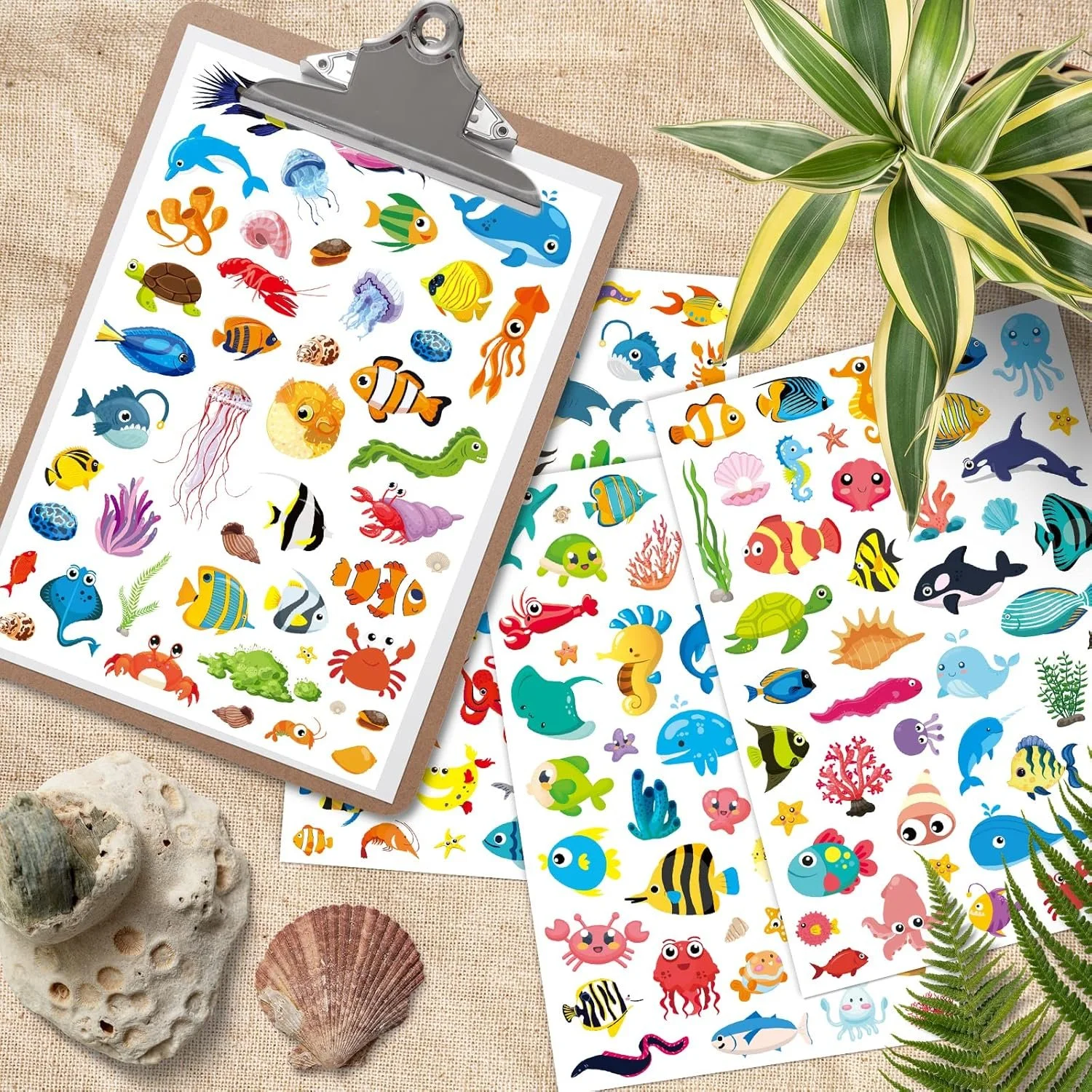
Stickers are a tiny but mighty. Bring along a small set of crayons and some paper and let your child create freely or explore some of the fun sticker activities we enjoy below.. You can turn this into a learning moment by counting stickers, talking about colors and shapes, or giving choices (“Do you want the red one or the blue one?”).
Fidgets
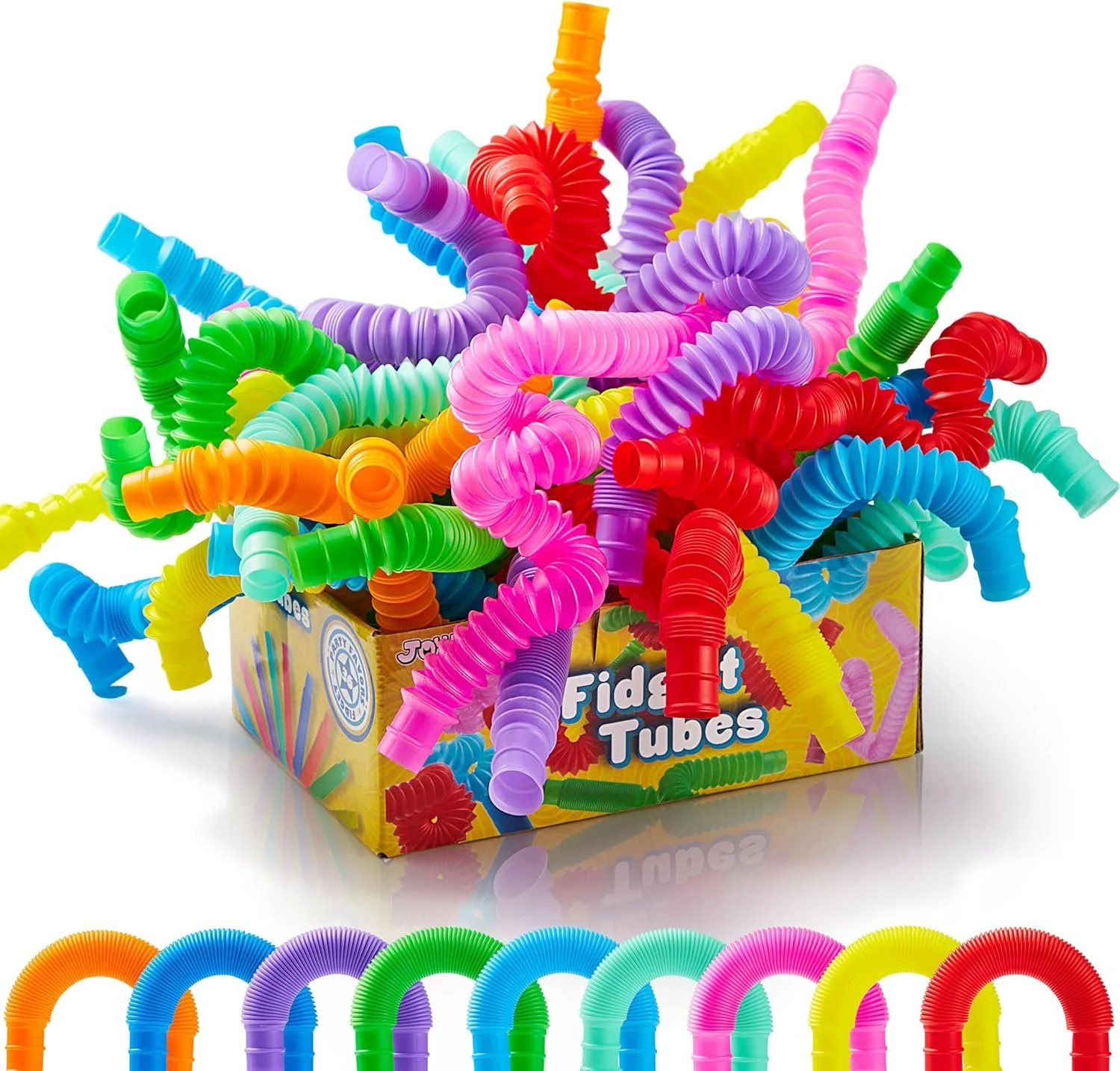
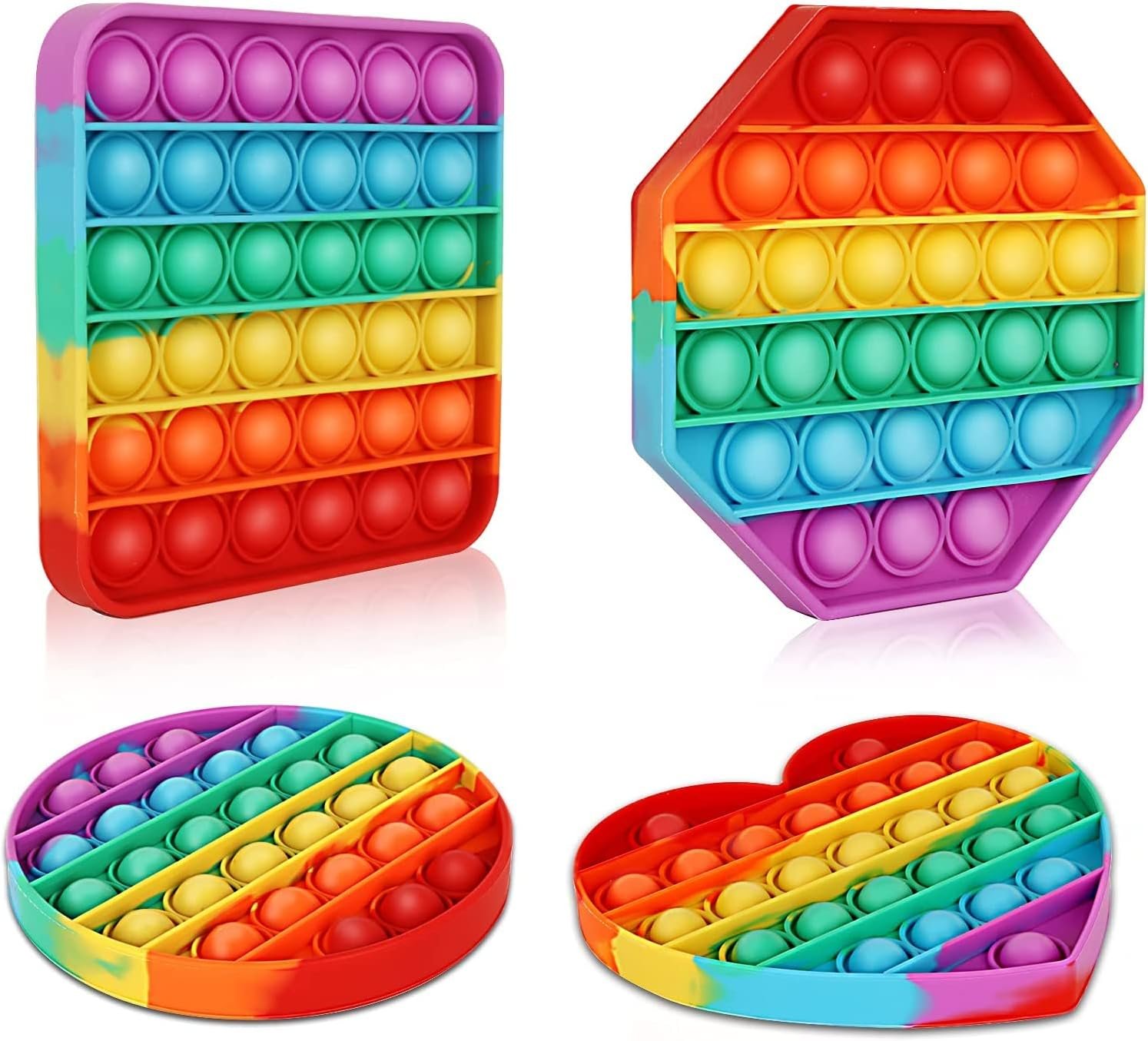
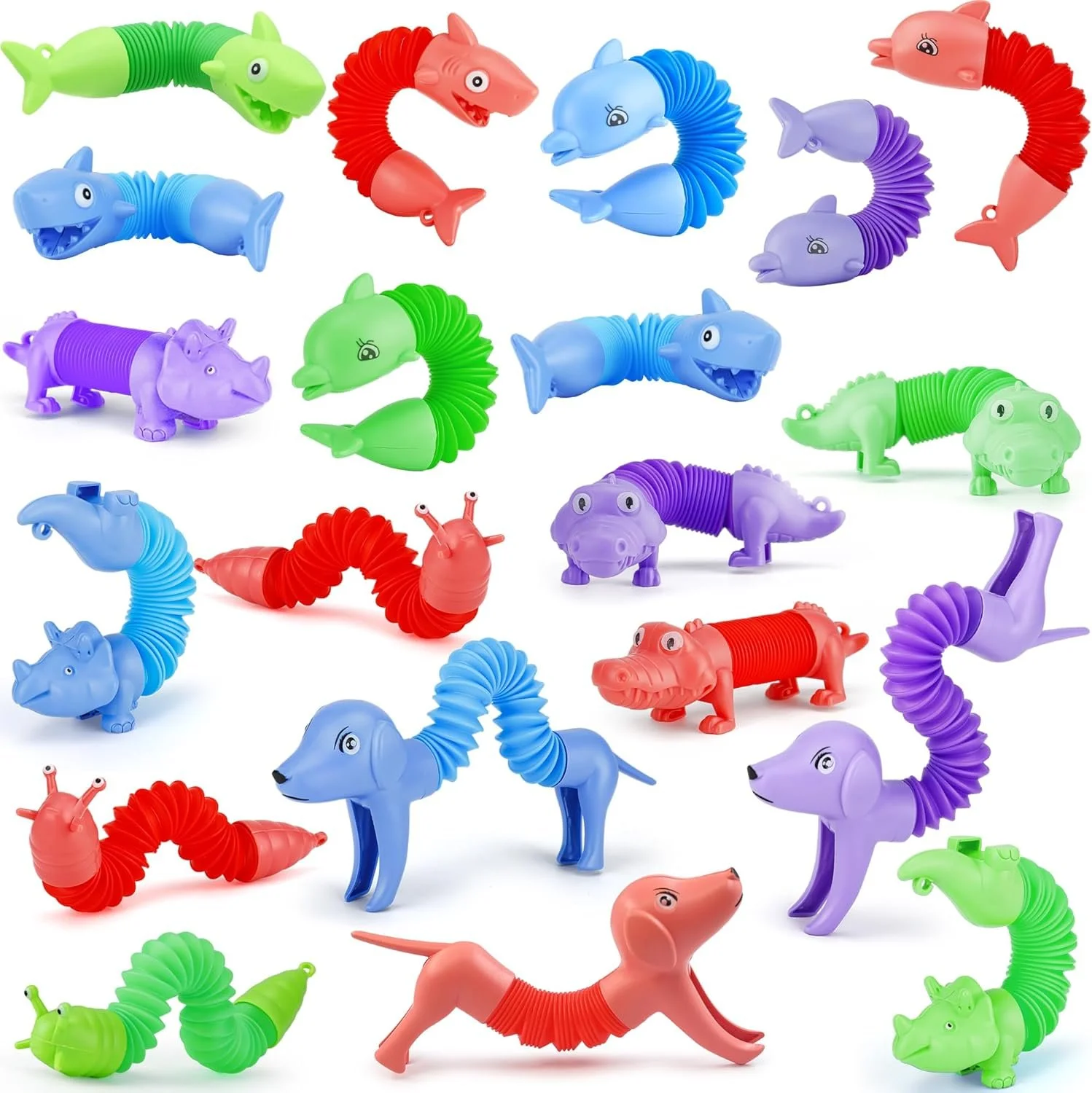
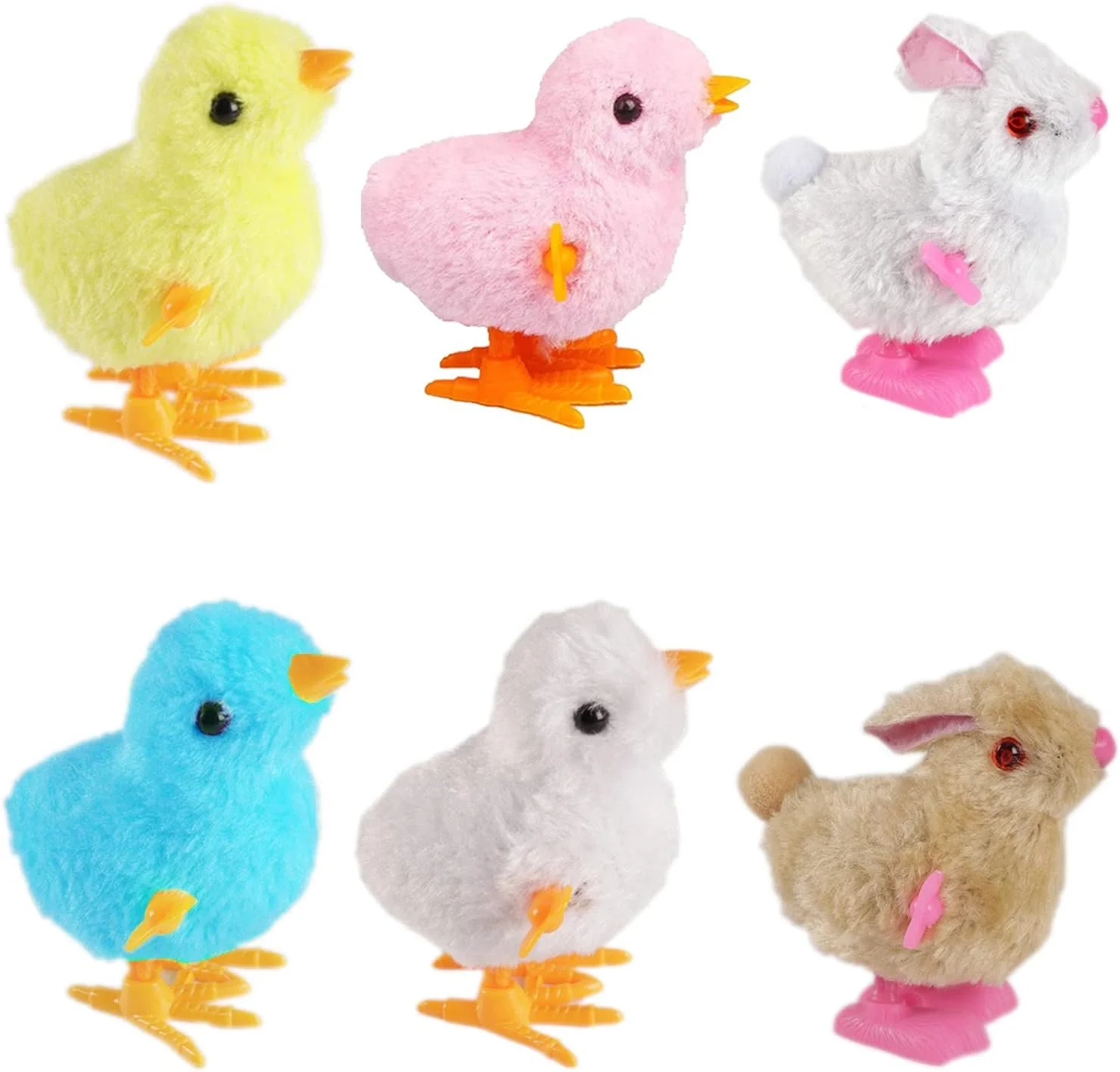
Fidgets are great for keeping little hands busy and providing sensory input, which can be calming in a stimulating environment like a restaurant. Simple options like squishy toys, small wind-up toys, or pop-it style fidgets can hold your child’s attention. Some children even enjoy the repetitive action of putting items in and out of a bag or container. These can also spark conversation as you describe what they’re doing or feeling.
It’s important to remember that the goal isn’t to keep your child perfectly quiet or still the entire time. Restaurants are naturally social, sometimes noisy environments—and children are part of that! Just like adults talk, laugh, and engage, kids will too.
Instead of focusing on silence, focus on connection. Talk with your child about what’s happening around you. What do you see? What do you hear? What do you smell? Point out the waiter bringing food, the clinking of dishes, or the people nearby. Involving them in the experience helps them feel included and gives them something meaningful to focus on.
Dining out with young children won’t always be perfect and that’s okay. Some outings will go smoothly and others may feel challenging. What matters most is that you’re building familiarity, confidence, and positive experiences over time.
With practice, patience, and a few simple tools, eating out can become an enjoyable experience for the whole family.
Searching for speech therapy near me?
If you have concerns about your child’s feeding, speech, language or reading development, we’re here to help. We offer free consultations and provide in-home evaluations. Contact us today to learn more!
This blog post contains affiliate links, which means we may earn a commission from purchases made through these links at no additional cost to you.